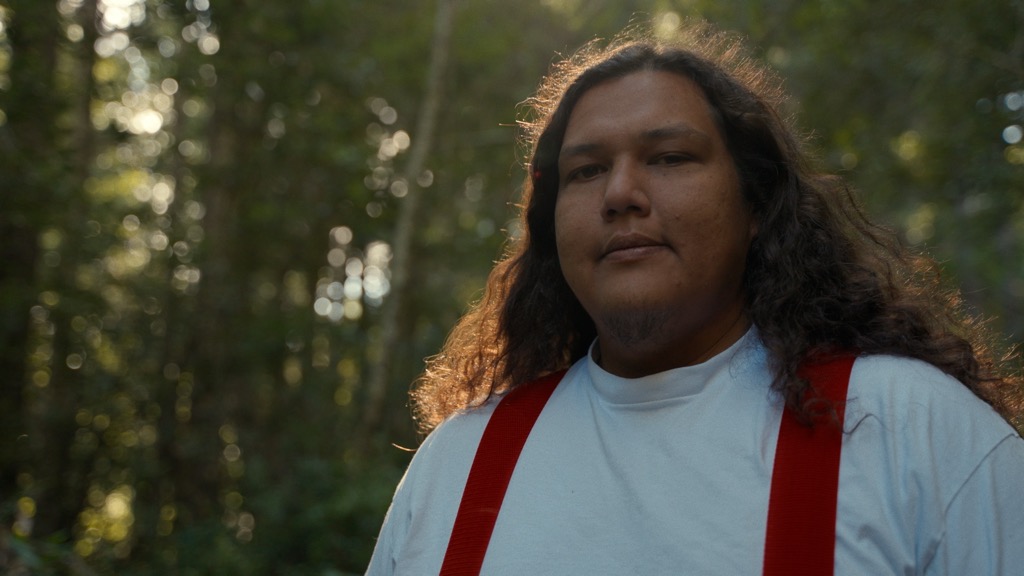
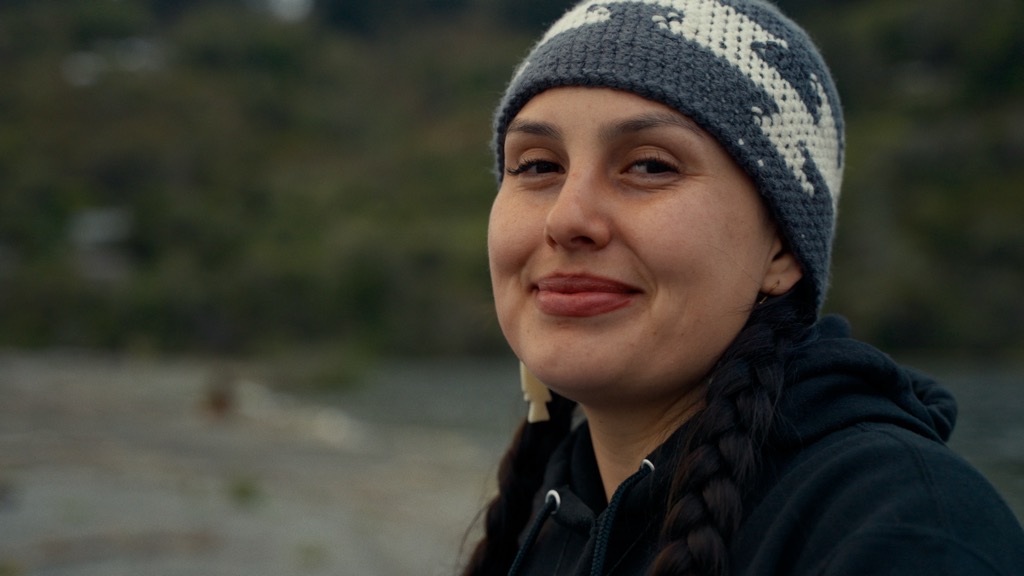
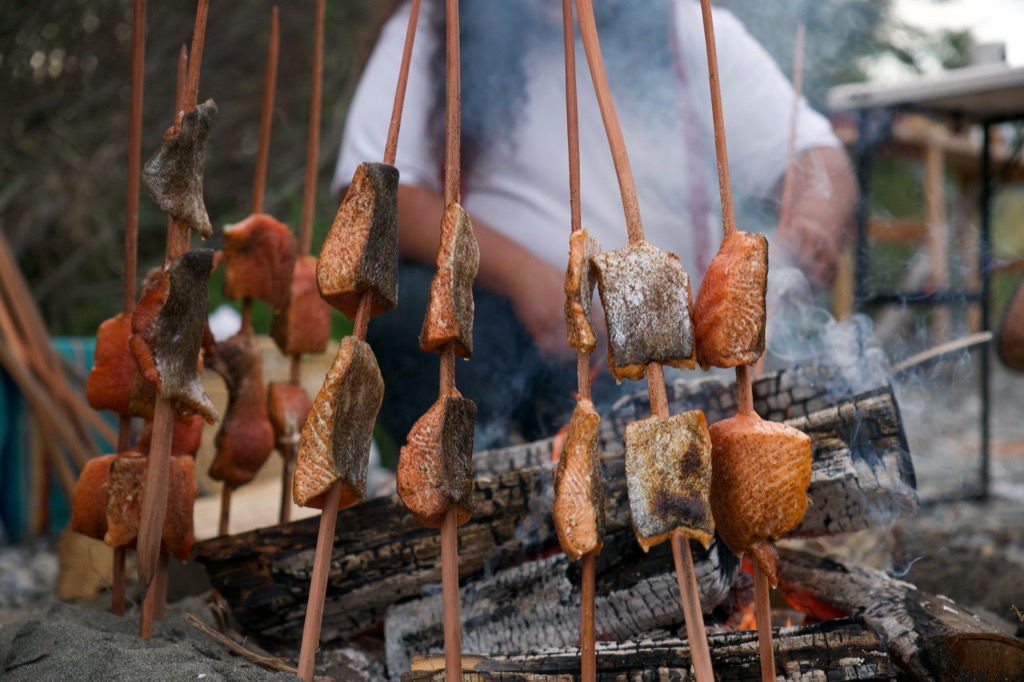
The Yurok people, California’s largest federally recognized tribe, have lived along the lower Klamath River and Pacific Coast since time immemorial. Their culture and survival have always been deeply tied to the river and its salmon. A massive fish kill in 2002 became a turning point, driving the community to fight for water rights, salmon recovery, and environmental justice. Meet Sammy and Brook, two Yurok leaders who are protecting the river that has sustained their community for generations.
OUR STORYTELLERS
SAMMY
BROOK
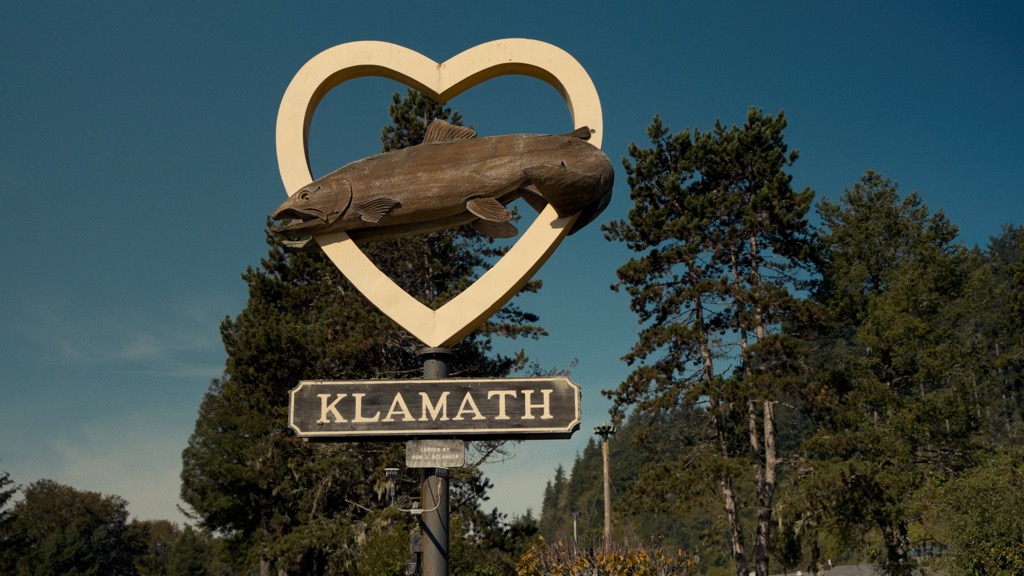
SALMON Ney-puey (Yurok)
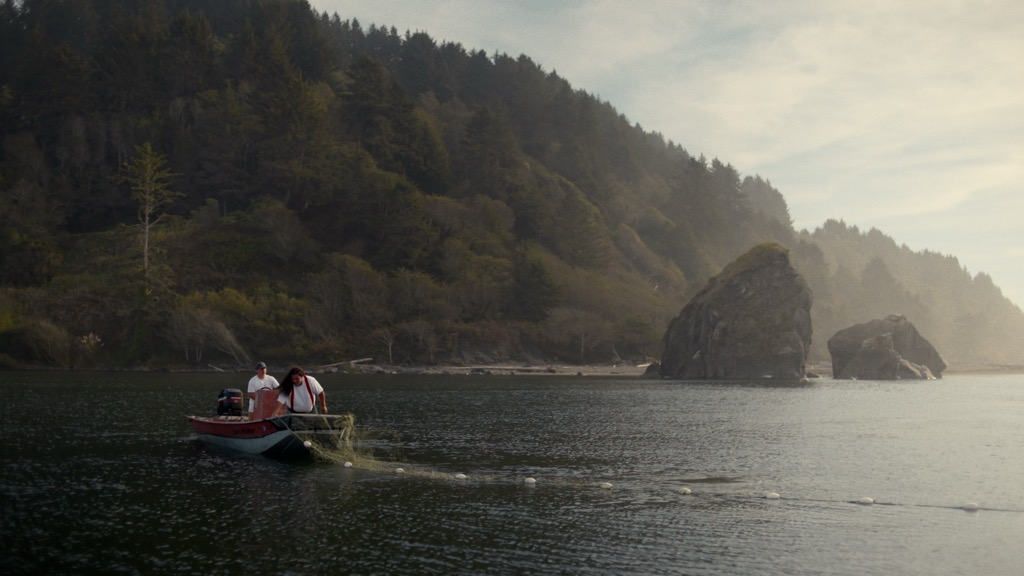
Along the Klamath River’s redwood valleys of Northern California, the Yurok have lived in harmony with their environment since time immemorial, with salmon pivotal to their existence.
Translating to ney-puey in Yurok, literally meaning “what we eat”, the salmon has forever been at the centre of their livelihood, way of life and cosmology. Ney-puey are central to Yurok identity, harkening back to their creation stories.
In the beginning, the Creator arrived at the Klamath’s mouth and thought, “This is a great river. I want to leave my children here. But there’s nothing for them to eat.” He called to the river spirit, Pulekukwerek. Pulekukwerek replied, “I can feed them. I can send fish.” Greatest of all, Nepewo entered the river each fall, leading the salmon. Then the river spirit made humans.
In Yurok cosmology, the spirit creating salmon also created humans, highlighting their connection and interdependence. Ney-puey are the essence of Yurok identity, a gift from the creator. For centuries, the Yurok fished salmon in spring and fall, salting, drying, and smoking fish for winter and for trade. The First Salmon Ceremony each spring marked the first salmon’s arrival, ritually eaten by medicine men.
As European colonialism expanded with the Spanish and Americans, the Yurok way of life eroded. Spanish missions and American boarding schools removed Indigenous children for evangelization, breaking traditional knowledge.
“Translating to ney-puey in Yurok, literally meaning "what we eat”, the
salmon has forever been at the centre of their livelihood, way of life and cosmology.”
With the arrival of industrial society in the late 19th century, the growth of commercial fishing and canning operations on the Klamath River reduced salmon runs, causing many Yurok to starve.
Later in the 20th century, electric power companies began building dams on the upper Klamath River at the Oregon border, drastically altering its flow and preventing salmon from migrating to their spawning grounds. The introduction of these dams led to the near-total decimation of salmon stocks and almost permanently severed the connection between people and salmon.
Despite adversity, the Yurok preserved their way of life. Over three decades, generations of activists rallied and petitioned for dam removal. In 2024, the first dam was removed, followed by others.
In the years since, the natural flow of the river has returned, and salmon are once again migrating back to their spawning grounds in large numbers. Not only has this reestablished a crucial part of the Yurok livelihood, but it has, most importantly, revitalized a central part of their identity. The return of ney-puy also marks the return of Yurok cultural pride and political sovereignty.
CONTACT US
Have a story about your own little big community? Reach out and let us know! We would love to help you tell it.