Little Big Community

9

EPISODE NINE : CALGARY

Calgary, known in Blackfoot as Mohkinstsis, is a historic meeting place for the Blackfoot, Stoney Nakoda and Tsuut’ina people, who have long inhabited the region. Home to one of Canada’s largest urban Indigenous communities, efforts to honour and recognize its Indigenous history have grown, reflected in public art, science, educational initiatives and community-led projects. Meet Rob and Sarah, two organizers who through science and music are creating a positive impact on the youth around them.

OUR STORYTELLERS

ROB

SARAH

TIPI
Niitoy-yiss (Siksika)

Known in the Siksika language as the niitoy-yiss, the tipi has for centuries been the traditional dwelling of many Indigenous peoples on the Great Plains of Turtle Island. Made from animal hides or pelts, the conical structure features a front opening and smoke flaps at the top, allowing the inside of the dwelling to be warm and dry in the winter and cool in the summer.

These structures were crucial to the nomadic way of life of many Indigenous peoples on the Plains, as they travelled to hunt buffalo, partake in social gatherings such as the Sundance and seek shelter during the harsh winters.

Niitoy-yiss could be quickly disassembled and reassembled, making them a perfect adaptation to the way of life of their users. Although most were left undecorated, certain tipis were painted to depict historical events, celestial bodies or depictions of the natural world. Traditionally, the doors would be oriented towards the sunrise in the East.

As colonialism led to the forced displacement of Indigenous people from their lands, robbing them of their traditional practices and leading to sedentarity, the tipi became less present in daily life. This also contributed to the false and racist beliefs that all Indigenous people lived in tipis.

“Niitoy-yiss could be quickly disassembled and reassembled, making them a perfect adaptation to the way of life of their users. Although most were left undecorated, certain tipis were painted to depict historical events, celestial bodies or depictions of the natural world.”

But even through this destructive period, the tipi has remained deeply important in many Indigenous cultures, where the dwelling is still used for ceremonial gatherings and social events. Many First Nations across Western Canada continue to raise tipis at cultural sites to promote traditional practices with their youth.

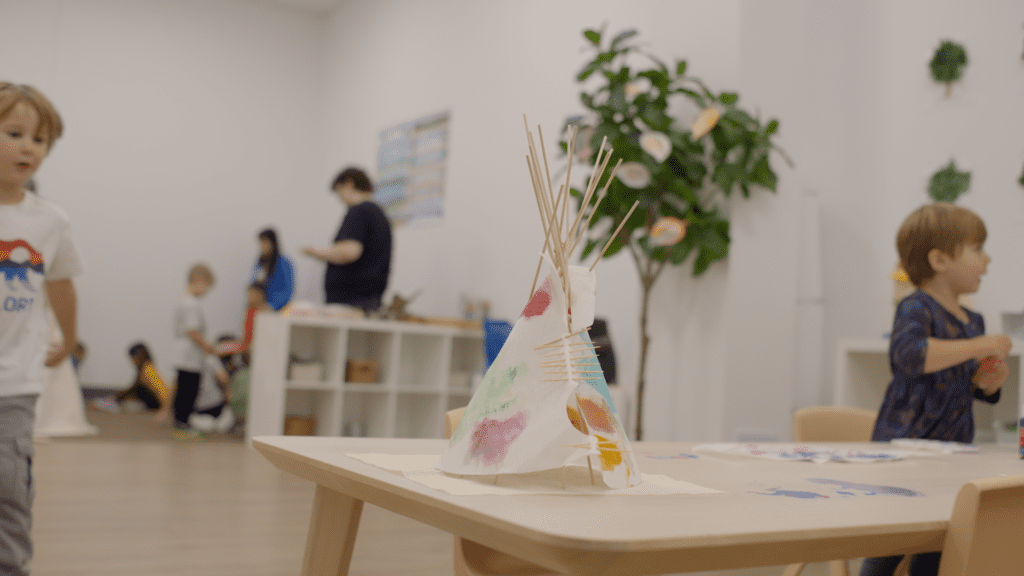
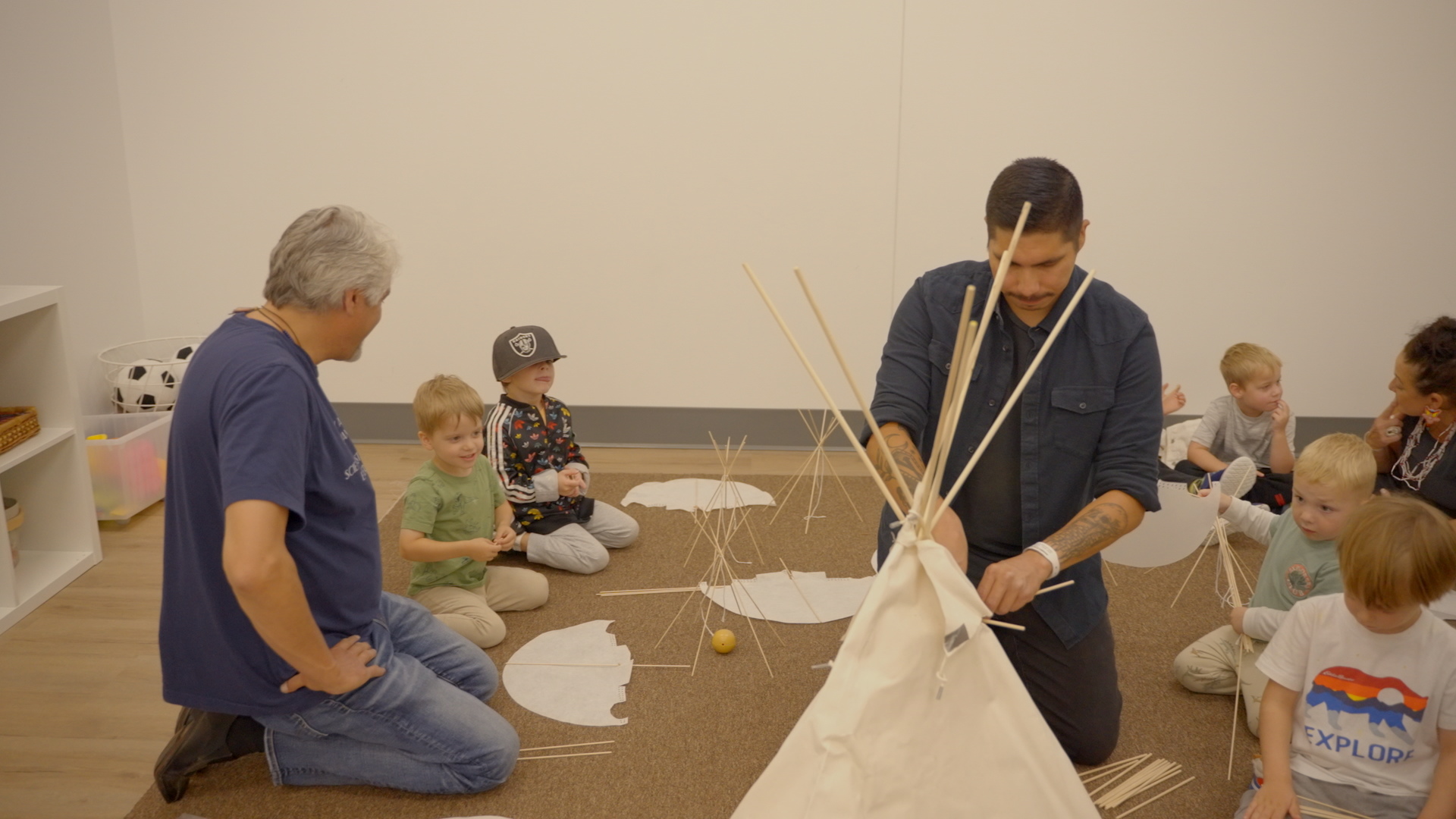
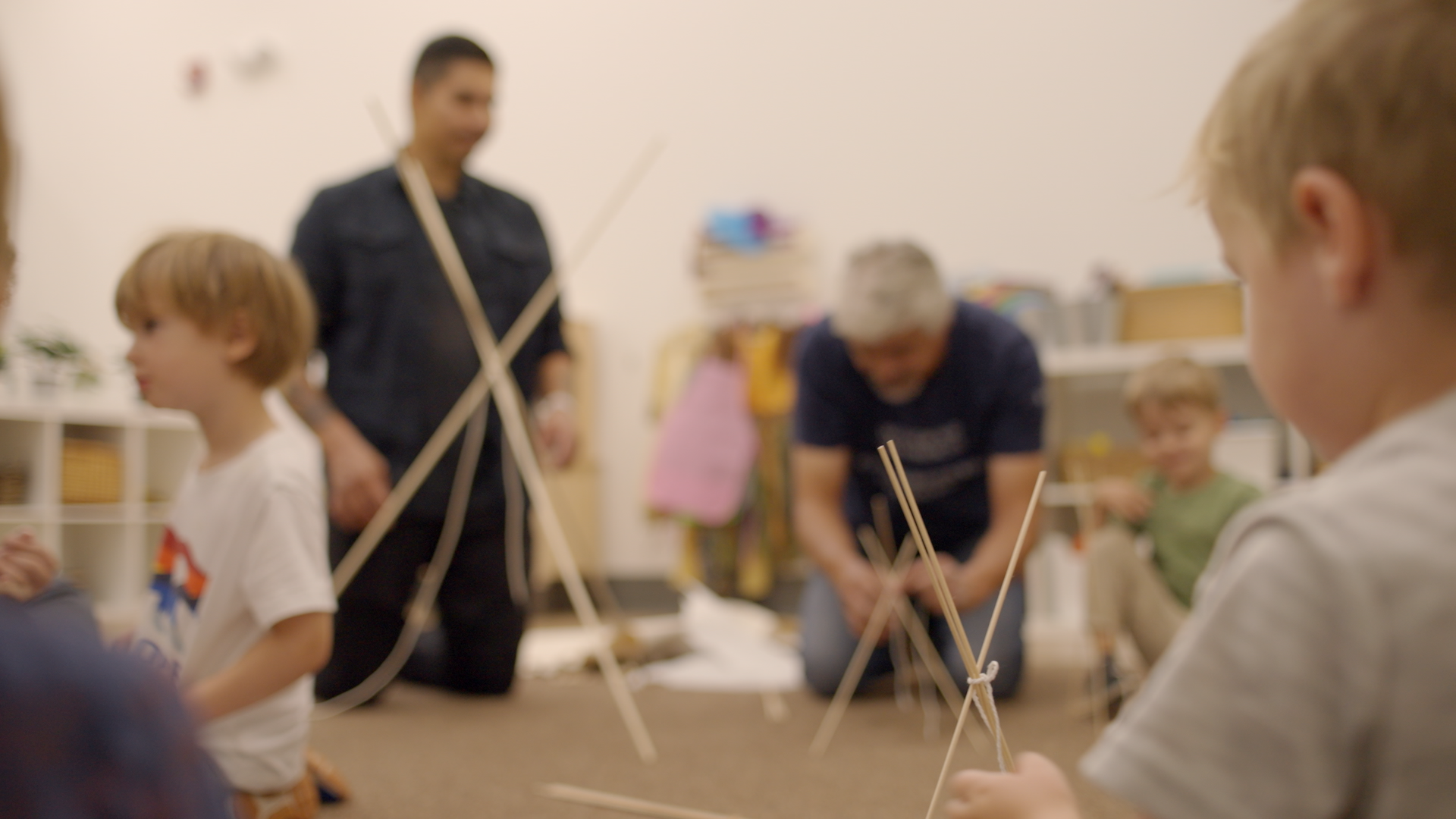
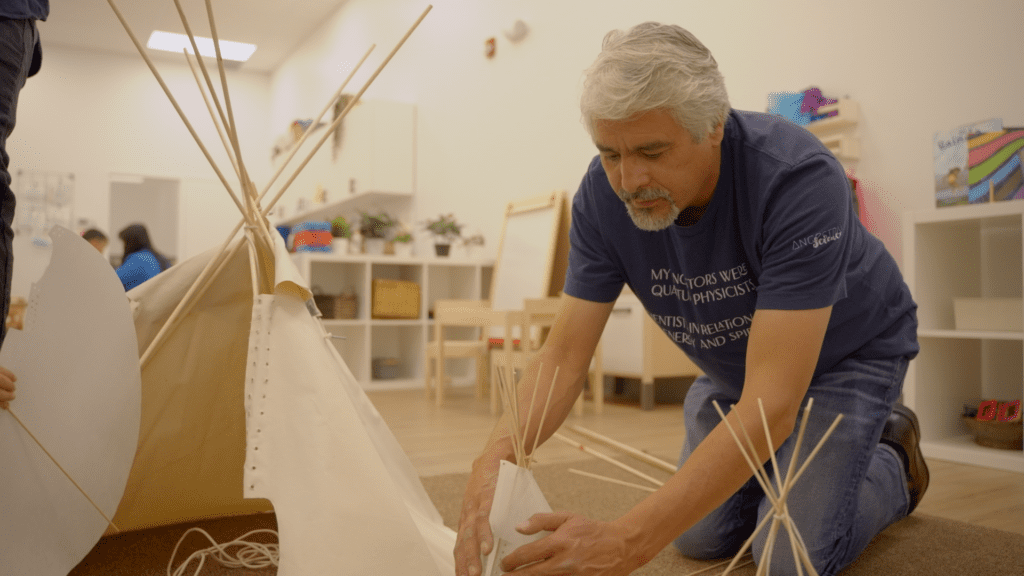
Today, groups such as IndigeSTEAM, based in Calgary, use the niitoy-yiss to teach Indigenous youth about concepts around science, physics and chemistry, demonstrating the unique technological ingenuity found in the design of a tipi.

For example, the aerodynamic cone shape of the tipi contributes to its increased stability by using the wind to push the poles down into the ground, while the top flaps are used to regulate the interior temperature.

These dwellings were designed to be perfectly adapted to the landscape and are a testament to the ingenuity of the people who created them. By teaching Indigenous youth about the ingenuity of their ancestors, they can both hone their own skills and develop a pride in who they are.

CONTACT US

Have a story about your own little big community?
Reach out and let us know! We would love to help you tell it.