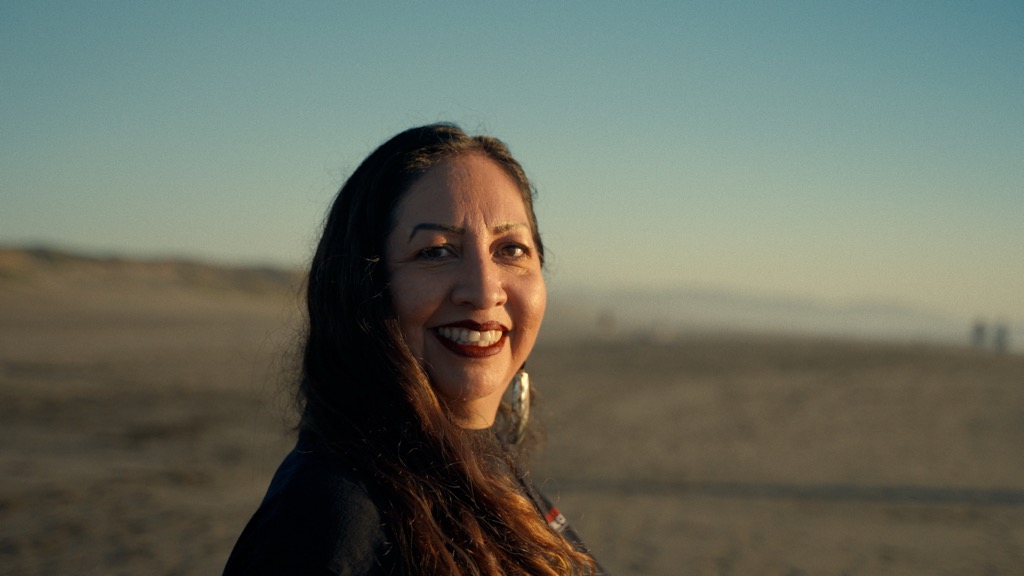
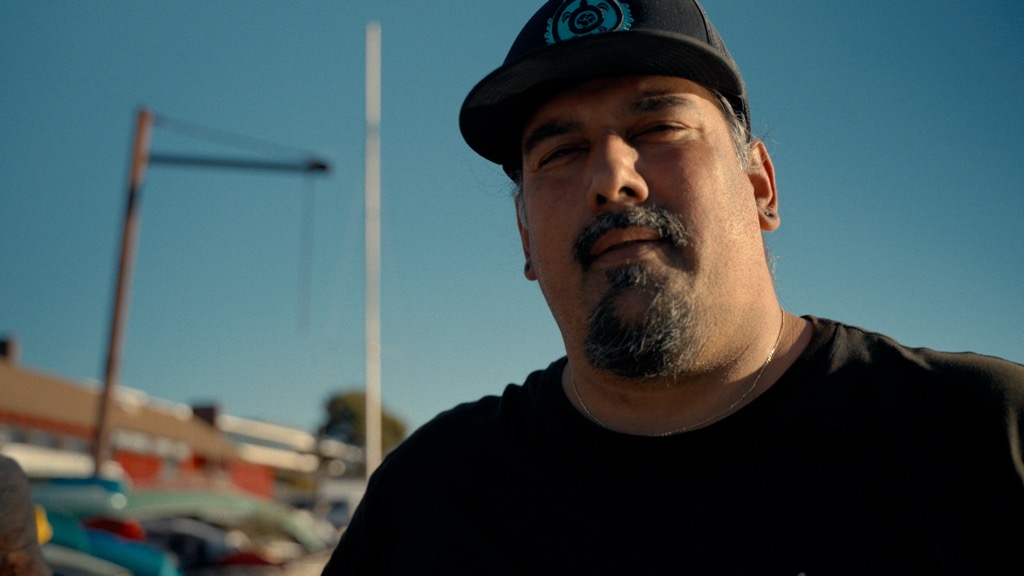
The San Francisco Bay Area, traditionally home to the Ramaytush Ohlone and Chochenyo, has one of the highest urban Indigenous populations in the United States, after thousands relocated there under the Indian Relocation Act. Since the 1960s counterculture movement and the Alcatraz Occupation, the city has become a hub for Indigenous activism, organizing, and cultural revival. Meet April and Manny, two leaders who are reaffirming Indigenous presence in the Bay Area while improving their communities.
OUR STORYTELLERS
APRIL
MANNY
WATER Háyya (Chochenyo)
Water, known as háyya in the Chochenyo language, is central to the identity, survival and worldview of the Indigenous peoples of the San Francisco Bay Area, particularly the Ohlone and Chochenyo communities whose traditional lands surround the bay.
For thousands of years, the waters of the Bay shaped daily life, spiritual practice, and social relationships. Háyya was not simply a physical resource; it was a living presence connecting people to the land, the seasons, and one another. The Bay provided fish, shellfish, seaweed, and waterfowl. Freshwater creeks sustained villages and ceremonial spaces.
Canoe travel across the bay enabled trade, kinship, and cultural interaction among different Ohlone groups. This strengthened the bay as a cohesive element rather than a boundary.
Ceremonies, stories, and songs emphasized respect for háyya as a life-giver and teacher. These reflected a reciprocal relationship in which people were responsible for maintaining balance and care in the ecosystem.
This strong connection was violently disrupted by colonization. With the arrival of Spanish missionization, and later Mexican and American rule, Indigenous people were forcibly removed from their lands, traditional practices were outlawed, and the use of Indigenous languages was punished. As a result, the Chochenyo language and culture faced near-erasure.
“Ceremonies, stories, and songs emphasized respect for háyya as a
life-giver and teacher. These reflected a reciprocal relationship in which people were
responsible for maintaining balance and care in the ecosystem.
”
Consequently, as families were separated, children were sent to boarding schools, and survival required assimilation into settler society; Chochenyo gradually fell out of daily use.
The disruption continued into the twentieth century. The Indian Relocation Act of the 1950s further expedited cultural loss by encouraging Indigenous people from across California and the United States to move to urban centers, including the Bay Area, in search of work and housing.
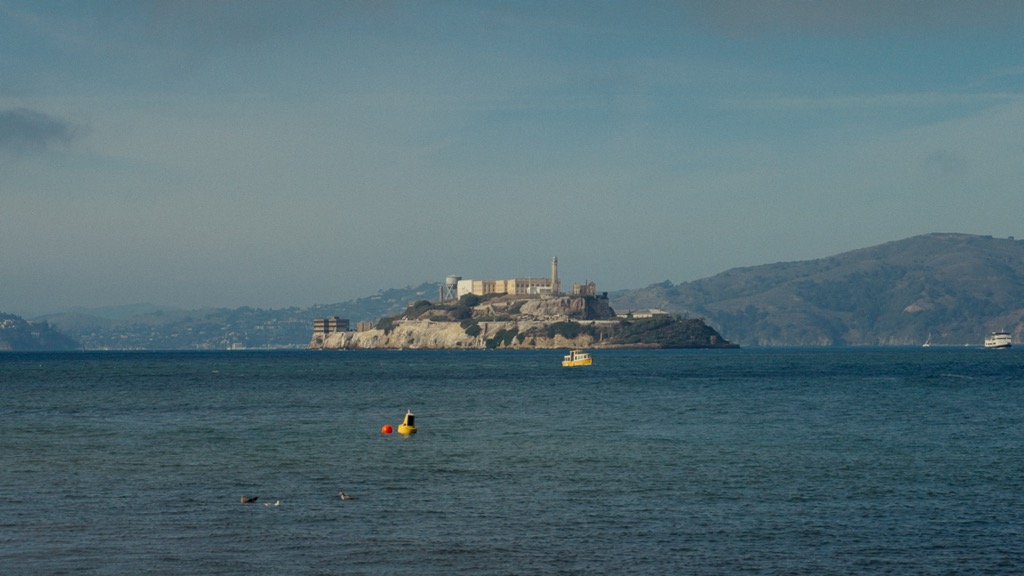
While this policy caused further displacement and hardship, the resulting urbanization likewise reshaped Indigenous existence in unexpected ways. Out of this context, the 1969 Occupation of Alcatraz by Indigenous activists from many nations signified a turning point, reclaiming Indigenous presence in the heart of the bay and drawing attention to broken treaties, land theft, and cultural survival. Water once again became symbolic, as the island, surrounded by háyya, served as a site of resistance, unity, and renewal.
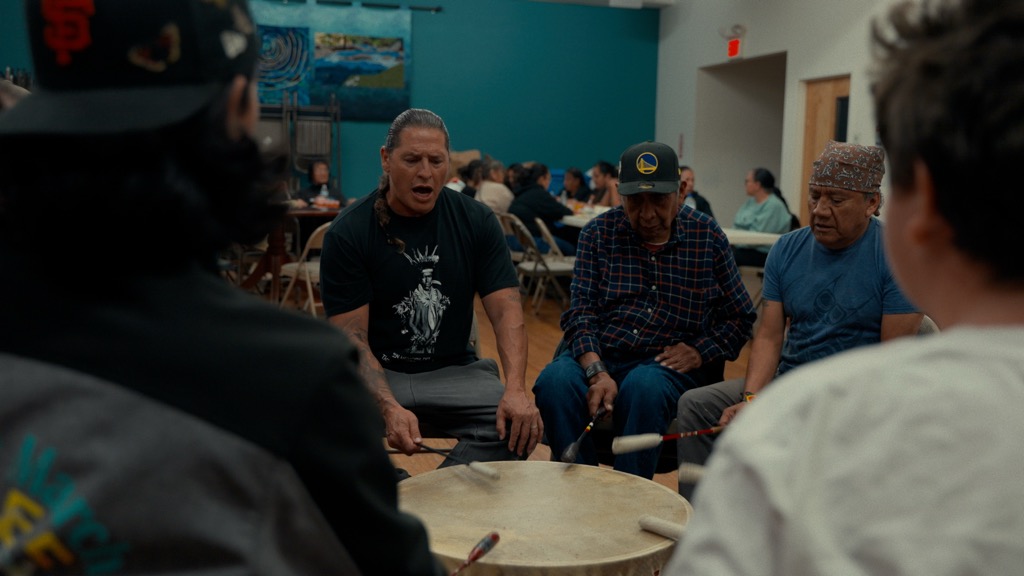
Today, the Bay Area is a powerful gathering space for Indigenous peoples. This includes Ohlone descendants and relocated Native communities from across the continent. Cultural events, ceremonies, language revitalization efforts, and intertribal organizing occur along the bay and its waterways. Háyya is still a connecting force, uniting past and present, memory and movement.
CONTACT US
Have a story about your own little big community? Reach out and let us know! We would love to help you tell it.