- ABOUT THE SHOW
- TRAILER
- EPISODES
- CREDITS
- CONTACT
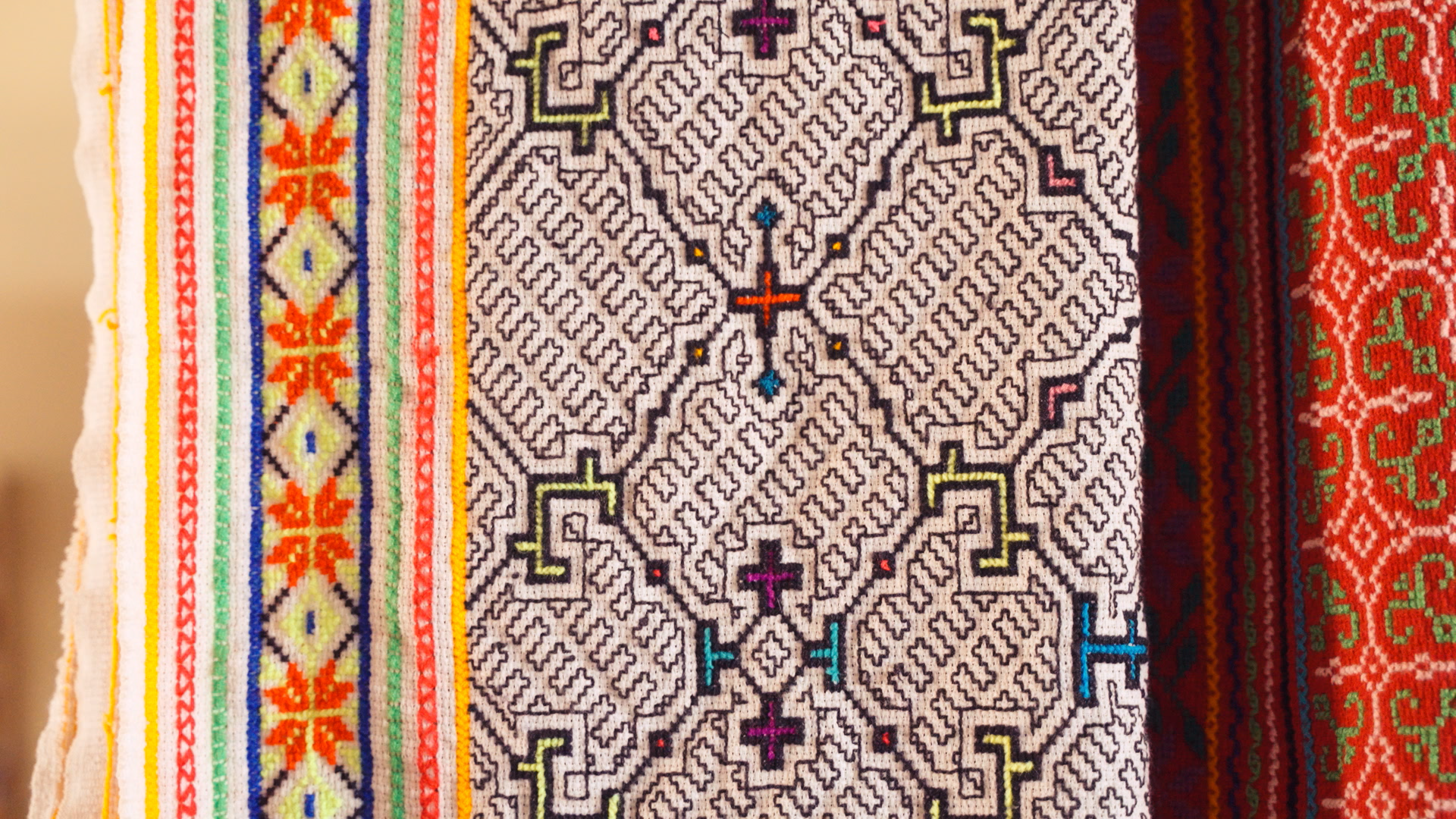
Kené, the intricate geometric designs of the Shipibo-Conibo people of the Peruvian Amazon, have forever held deep symbolic significance to its creators and a storied artistic tradition that continues to this day. They are an intrinsic part of Shipibo-Conibo ethnic and cultural identity.
The jakon nete, is known as the “land without evil” and a spiritual realm with which Shipibo-Conibo healers can connect. The intricate geometrical designs of kené are generated in this realm and then transcribed in the human realm conveying various meanings.
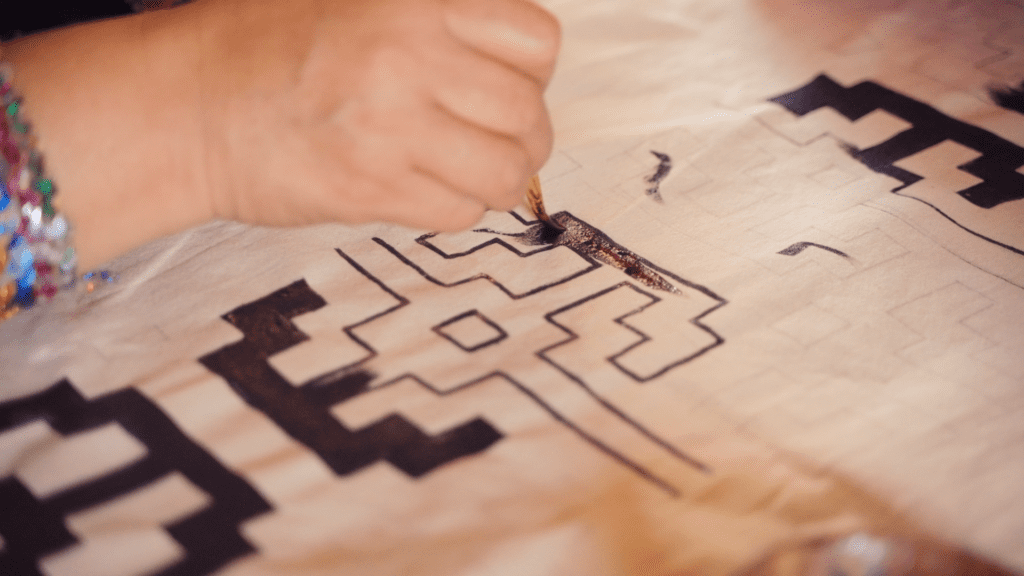
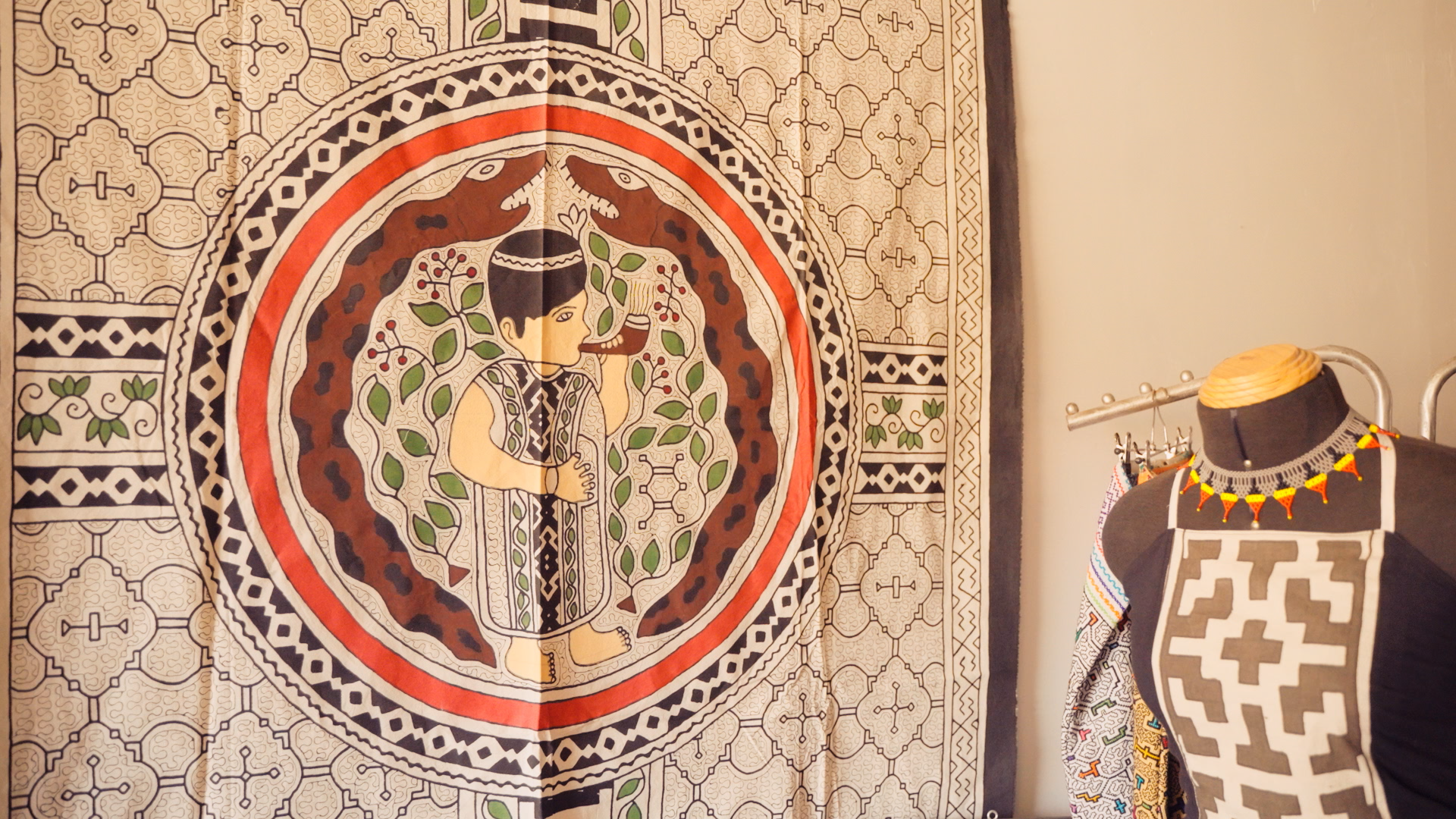
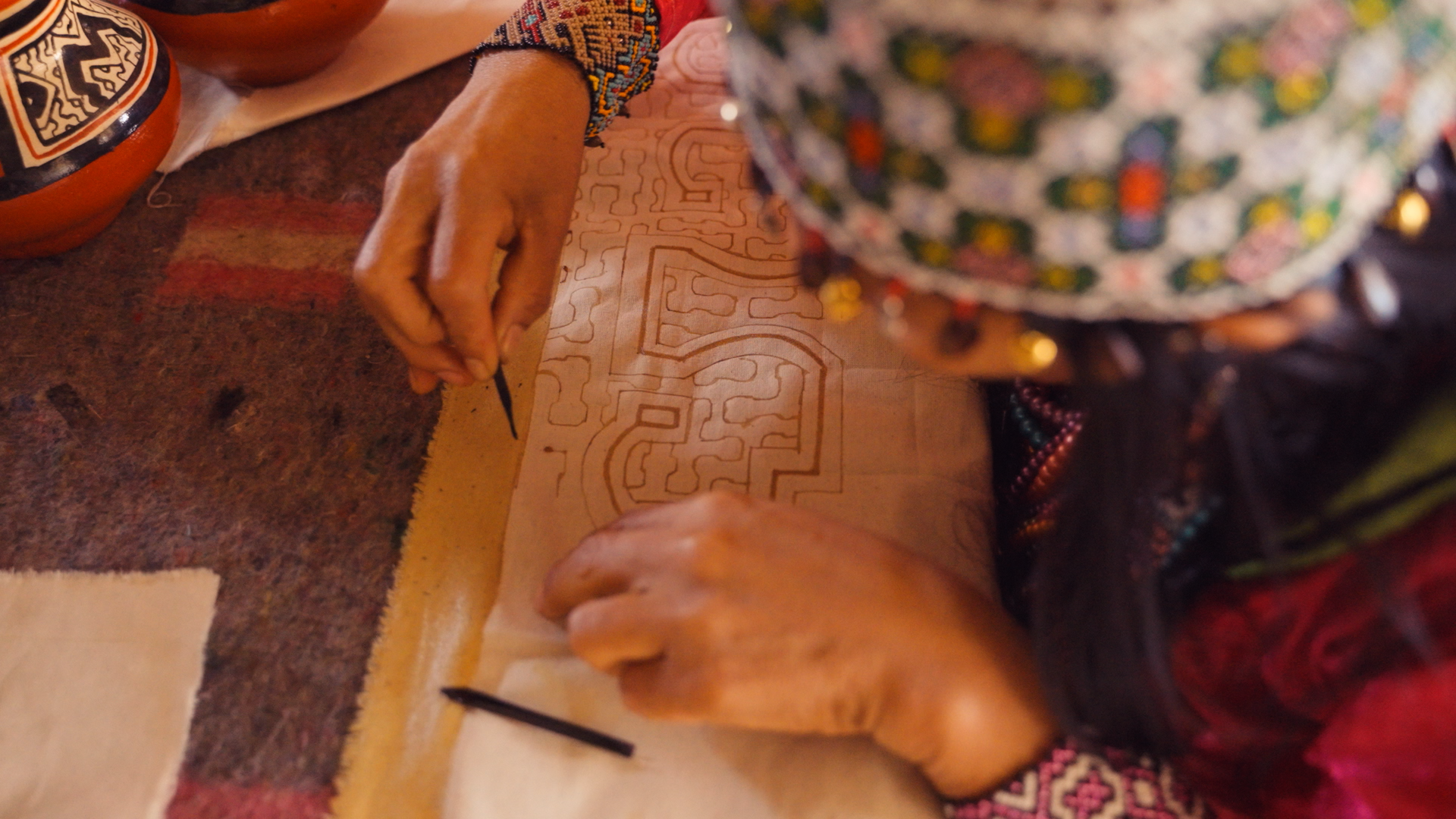
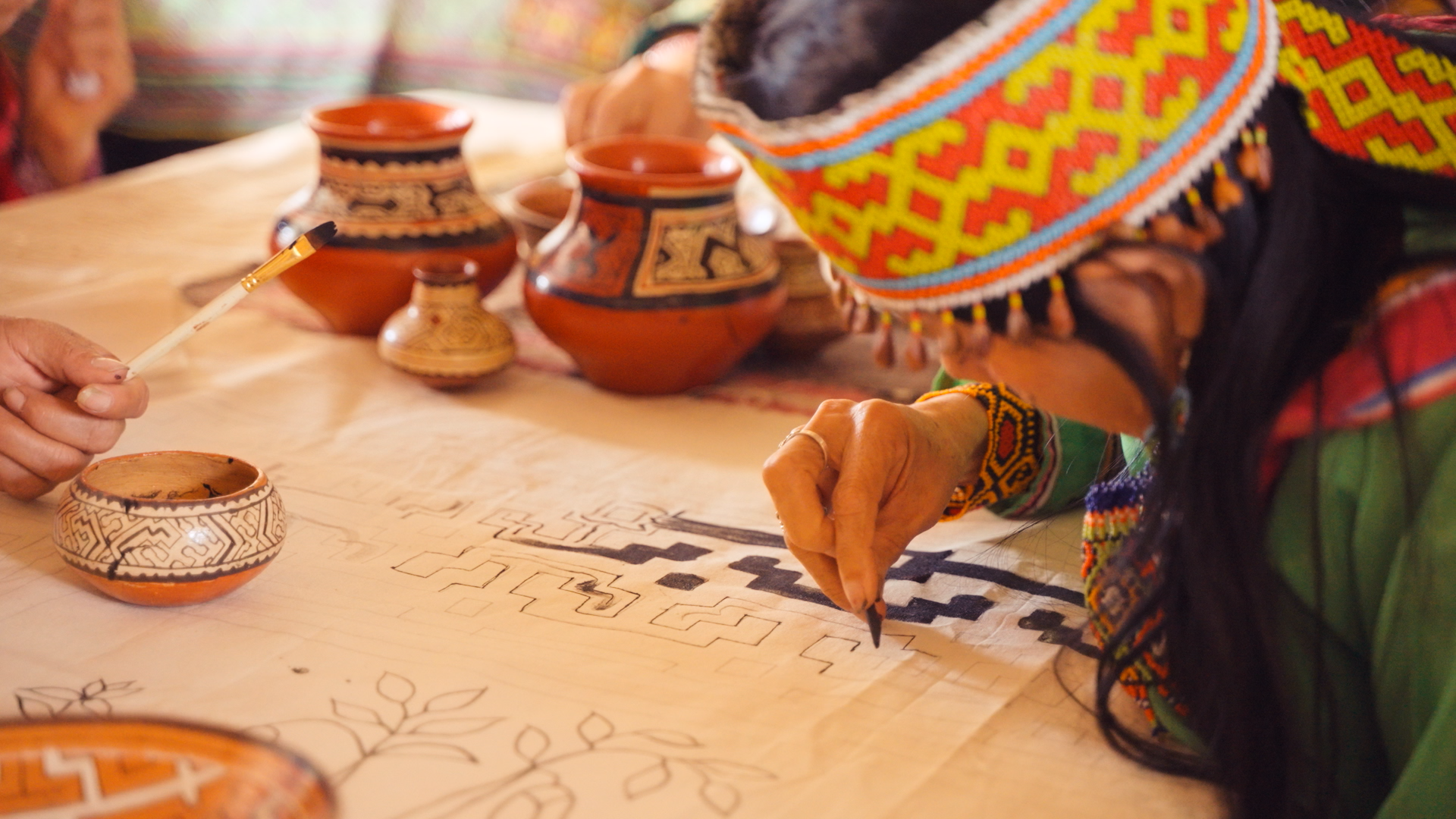
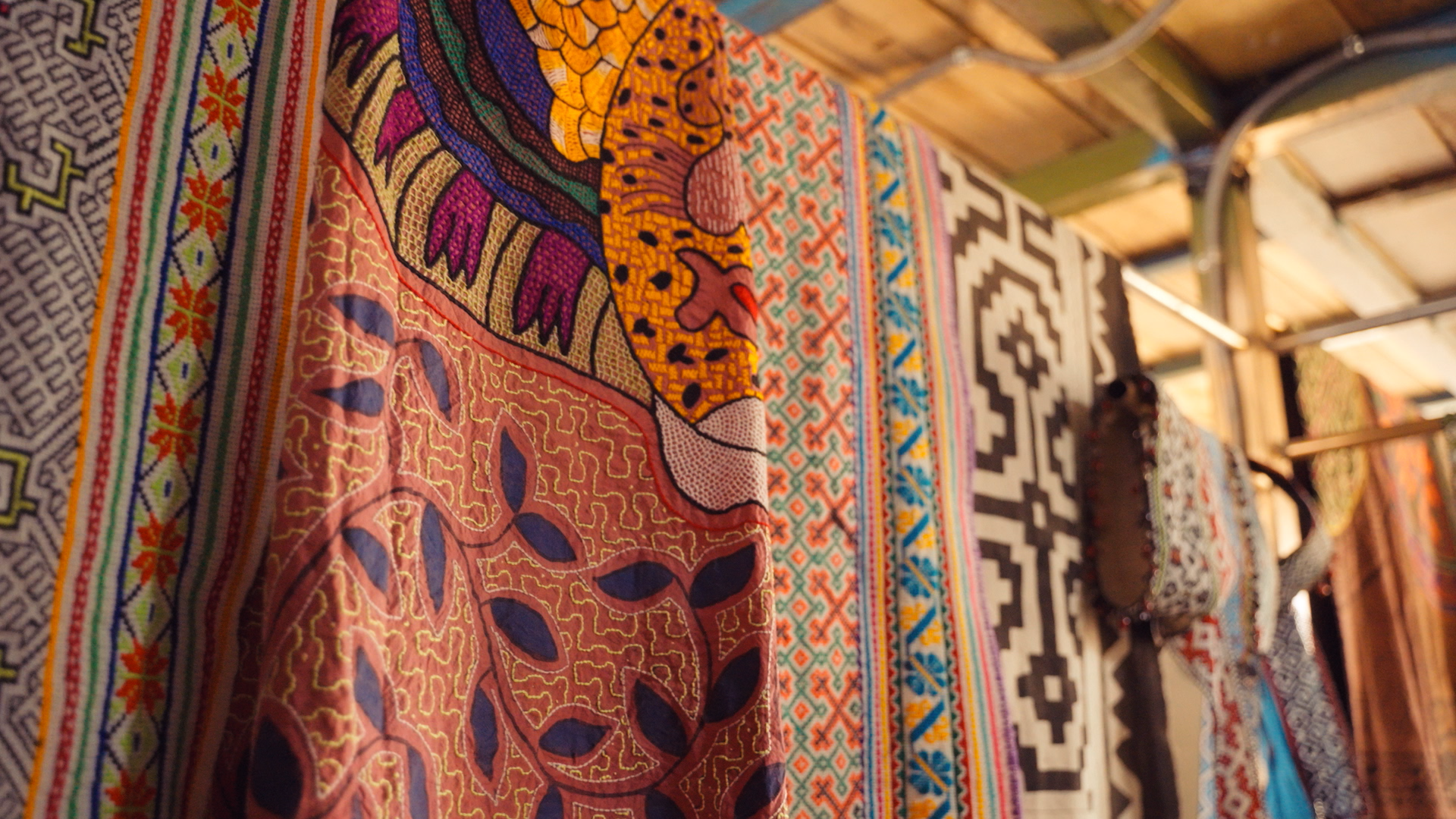
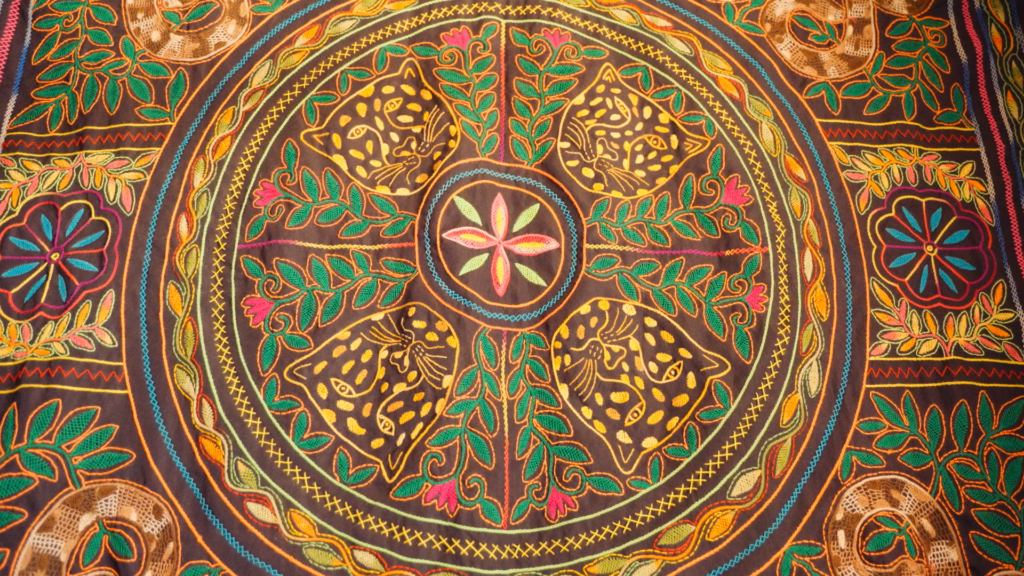
Kené is drawn onto the skin, carved into wooden utensils, woven into textiles and painted onto pottery and ceramics. These patterns represent the Shipibo-Conibo worldview that seeks beauty and balance of the self with the natural world and holds historical, cultural and spiritual knowledge for its people.
This deeply held symbolic significance in the kené often represents energy pathways, the geography of the forest, the wildlife of the jungle and the celestial bodies above. The anaconda, known as ronin, is seen as the mother of designs in the art form.


Traditionally, this is an art form passed down by women, where young girls will learn from their mothers and grandmothers how to transfer the spiritual language of kené and manifest it into the physical world. Artists do not use measuring tools, relying instead on their skill and spiritual connection to create patterns
Contemporarily, kené has gained broad cultural recognition both in Peru and internationally, and now supports many communities financially as the artwork is sold as handicrafts to tourists. In 2008, it was declared a Cultural Heritage of the Nation in Peru.
While kené originated in the Amazon, many Shipibo-Conibo have since migrated to Peru’s larger cities far from their ancestral territories. Many women in Lima’s informal settlement of Cantagallo have turned to painting kené as murals on walls.
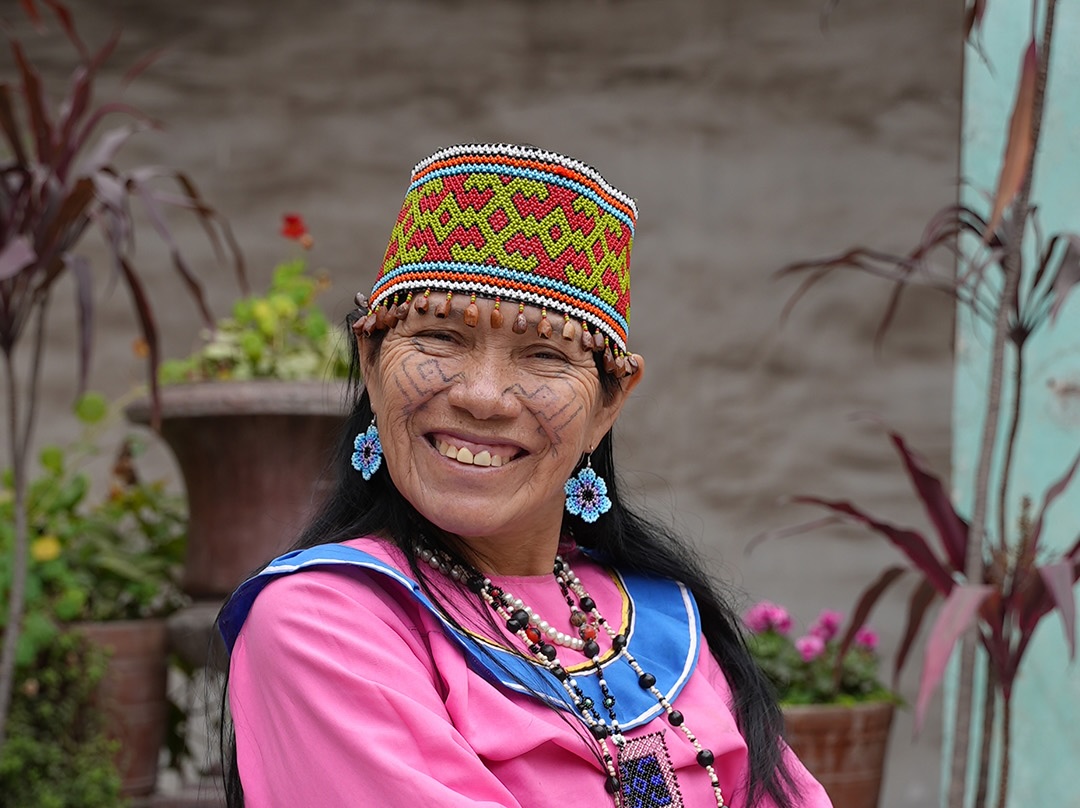
Today, local leaders and artists such as Olinda Silvano have dedicated themselves to passing on the practice to those around them, be that through the traditional painting of ceramics to the contemporary practice of graffiti.
Have a story about your own little big community?
Reach out and let us know! We would love to help you tell it.