Little Big Community

12

EPISODE TWELVE : AUCKLAND

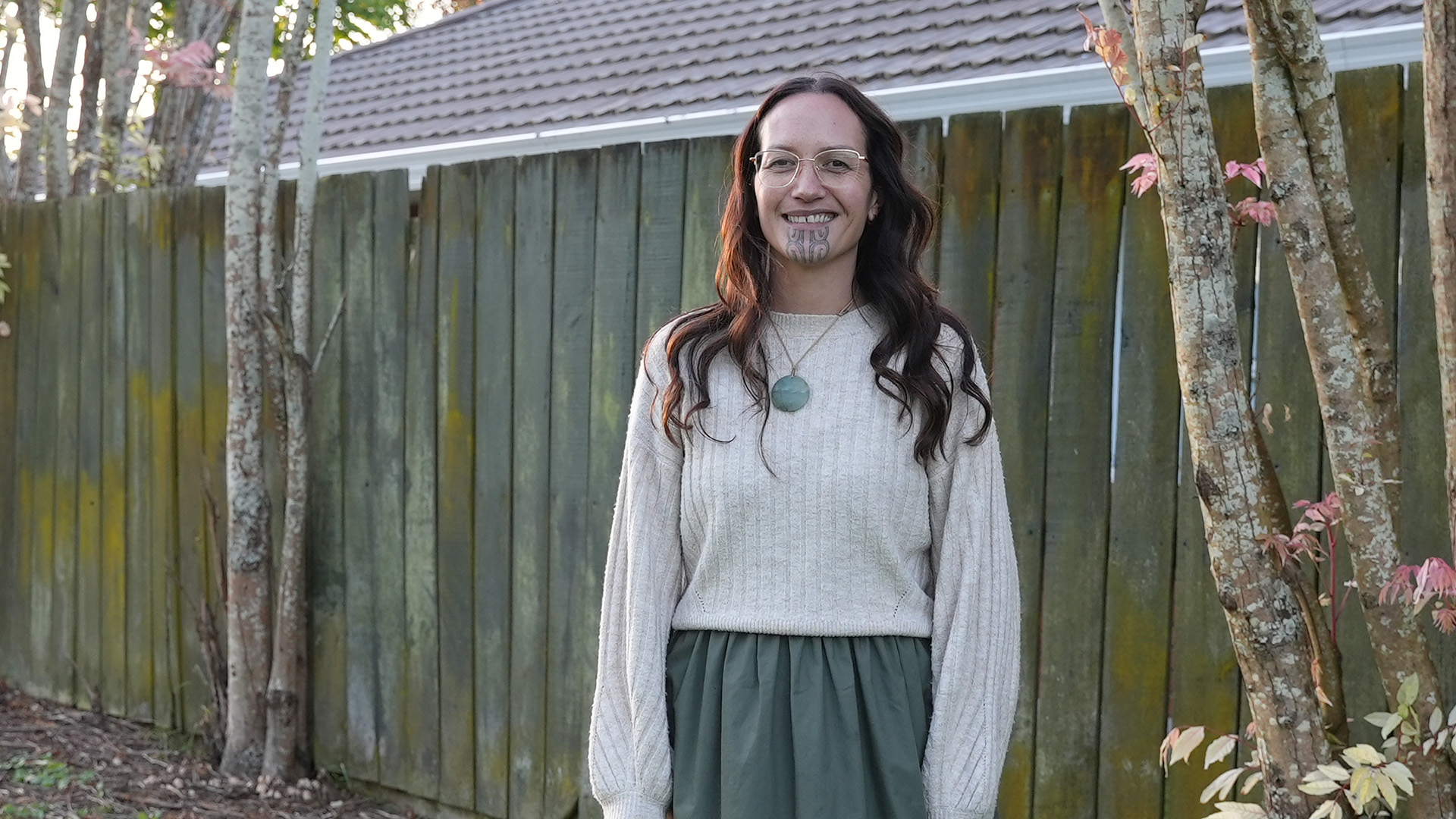
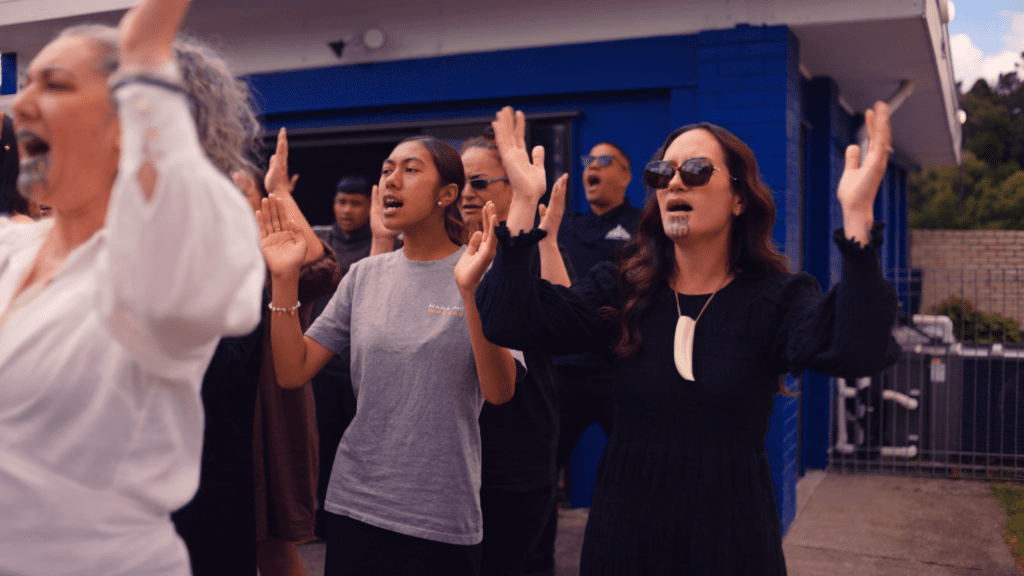
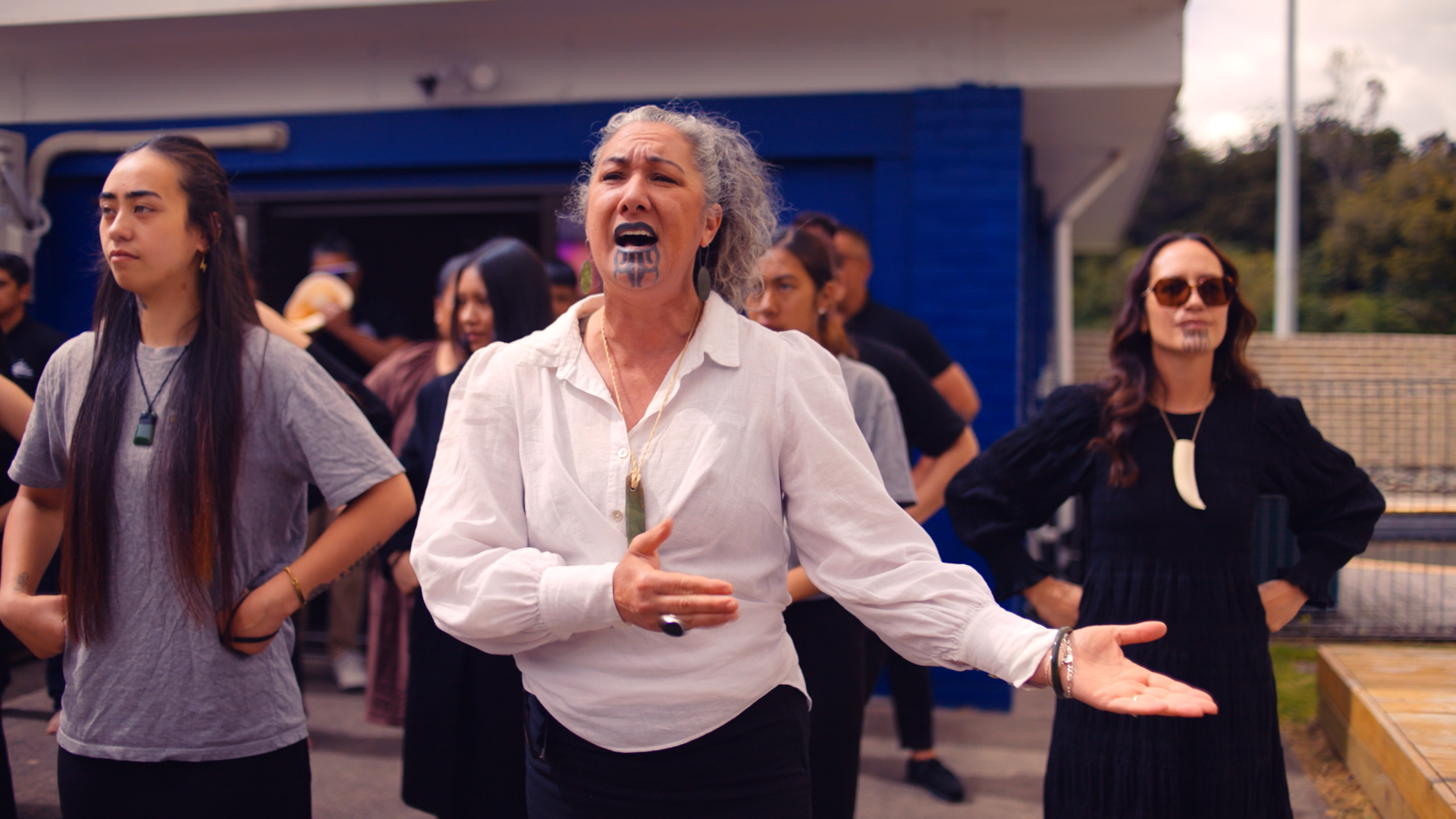
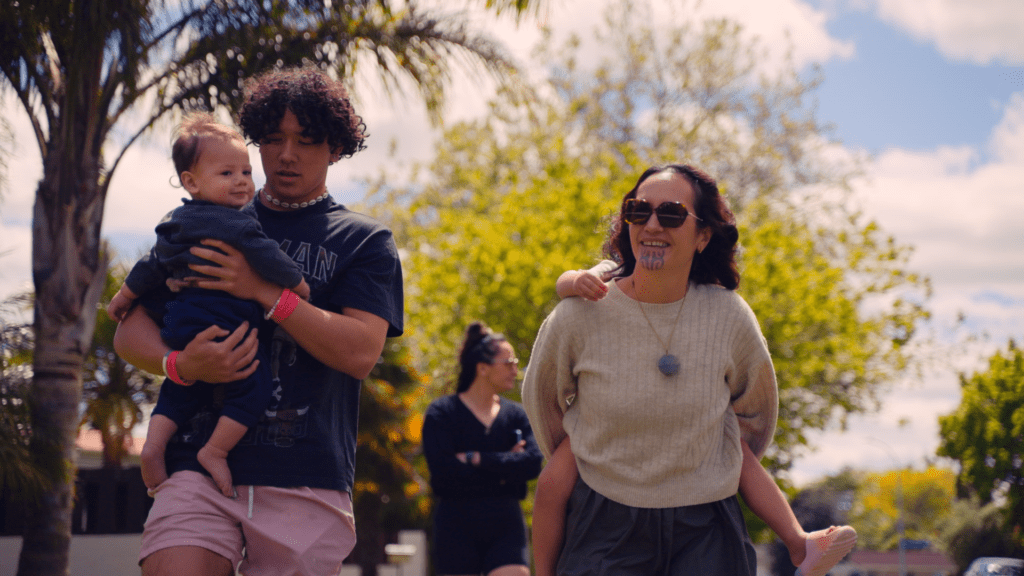
Known as Tāmaki Makaurau in Te Reo Māori, Auckland has a rich history shaped by its Indigenous people who continue to play a vital role in the city’s cultural and political life. Today, efforts to revitalize their language, preserve traditional knowledge and ensure Māori voices are heard in politics are all crucial parts of their organizing. Meet TK and Kelly, two Māori women bringing the youth of their communities together and guiding them on a path of resilience, adaptation and renewal.

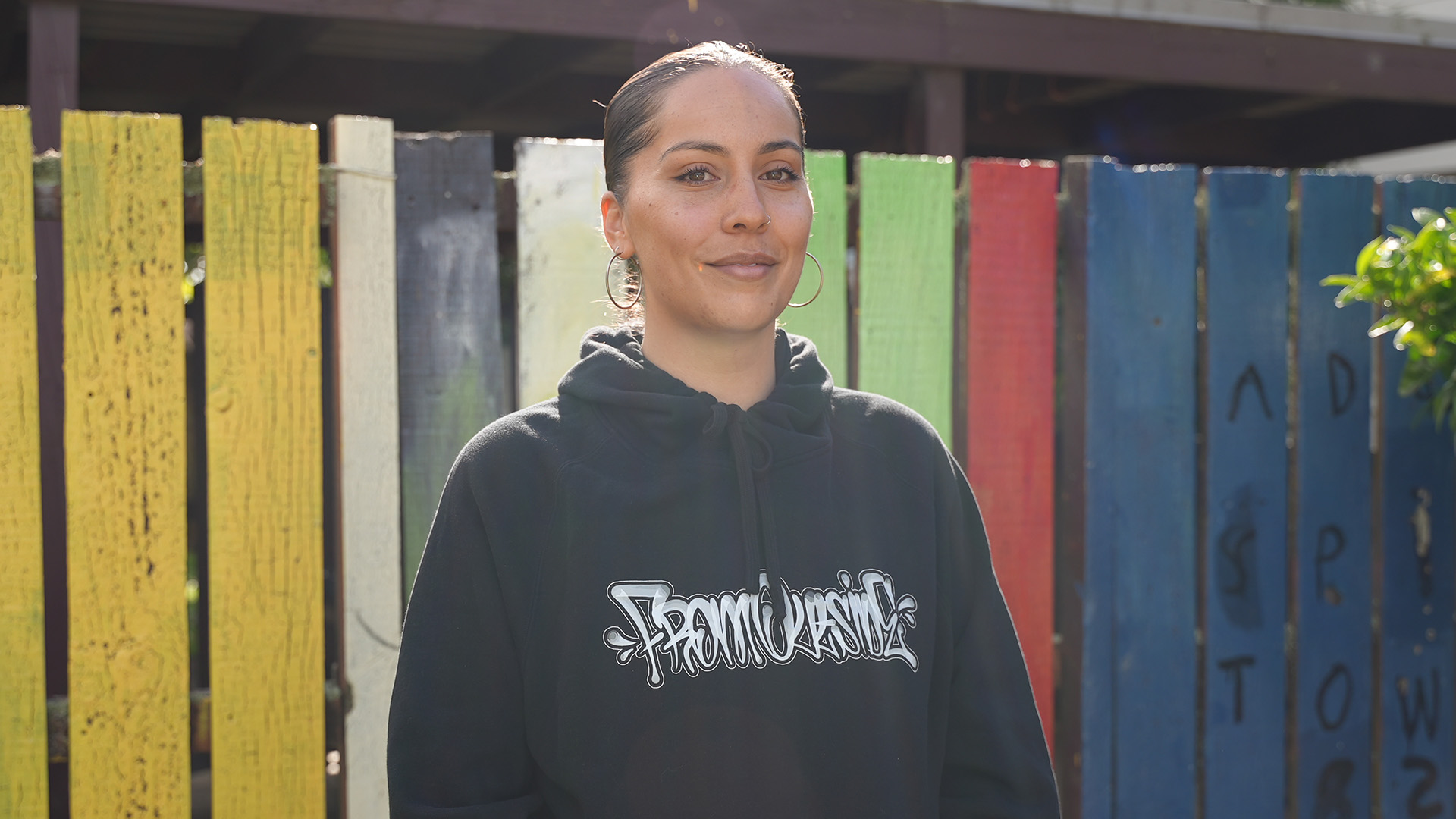
OUR STORYTELLERS

TK

KELLY

MAORI CHIN TATTOO
Tā moko kauae (Te Reo Māori)

For centuries, the Māori of Aotearoa have practiced a sophisticated and rich tattooing culture, known in the Māori language as tā moko. For both men and women, receiving tā moko has long been considered an important spiritual milestone accompanied by various rites and rituals.

Using small chisels traditionally made of albatross bone, the artist would create unique patterns all over the wearer’s skin, from face to feet. Using natural-based inks, these symbols would hold different meanings, such as spiral motifs called koru, representing the unfurling frond from a silver fern, native to New Zealand.

Historically, these tattoos conveyed social status as well as the wearer’s family history, achievements and ancestry. Tā moko kauae, women’s chin and lip tattooing, has a profound significance for Māori women and is a deeply personal experience.

Women’s tā moko kauae are considered to be a physical manifestation of their true identity and the artist merely brings something that already exists in the body and soul to the surface. The tattoo is a representation and commitment to culture and allows women to be closer to their ancestors.

“Historically, these tattoos conveyed social status as well as the wearer's family history, achievements and ancestry. Tā moko kauae, women’s chin and lip tattooing, has a profound significance for Māori women and is a deeply personal experience.”

While these tattoos were common amongst the women of Aotearoa for hundreds of years, the colonial era quickly led to their decline. Māori practices, such as tā moko, were seen as primitive and inferior by Christian European settlers, leading colonial authorities to push the Māori to the margins of society

Nonetheless, tā moko kauae persisted amongst certain groups of women who were able to preserve the practice. By the 1970s, a cultural renaissance began taking root, leading to the return of some of the Māori’s deepest-held traditions, including tattooing.

Since then, this political, cultural and spiritual resurgence has only amplified, with an increasing amount of Māori women across New Zealand wearing the tā moko kauae on their faces, reasserting their Indigenous identity.

In 2021, journalist Oriini Kaipara became the first person to host a primetime news broadcast with the facial tattoo. Today, more and more women are wearing their tā moko kauae proudly and unapologetically, reasserting their Māori identity for all to see.

CONTACT US

Have a story about your own little big community?
Reach out and let us know! We would love to help you tell it.