Little Big Community

7

EPISODE SEVEN : CAIRNS

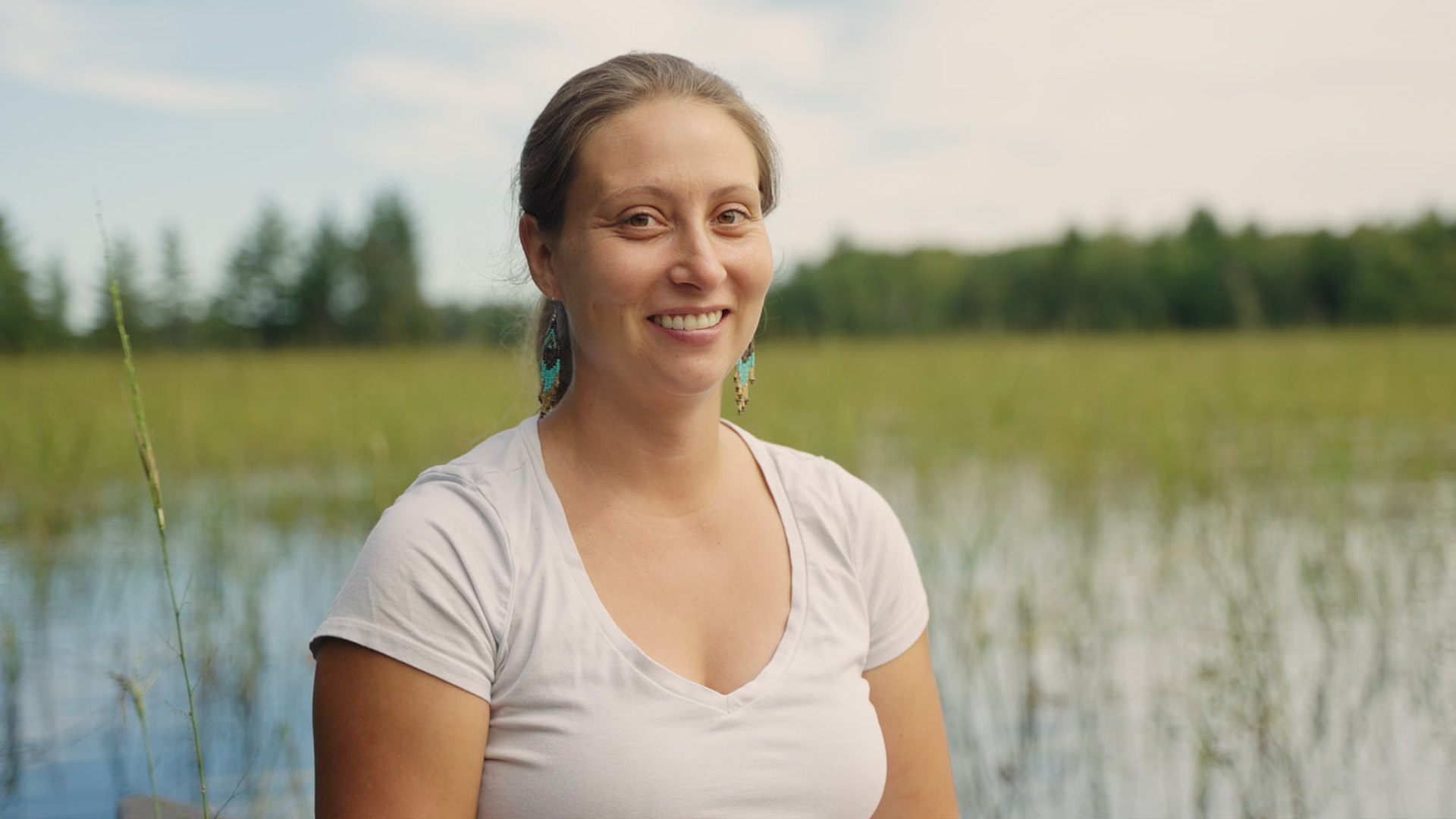
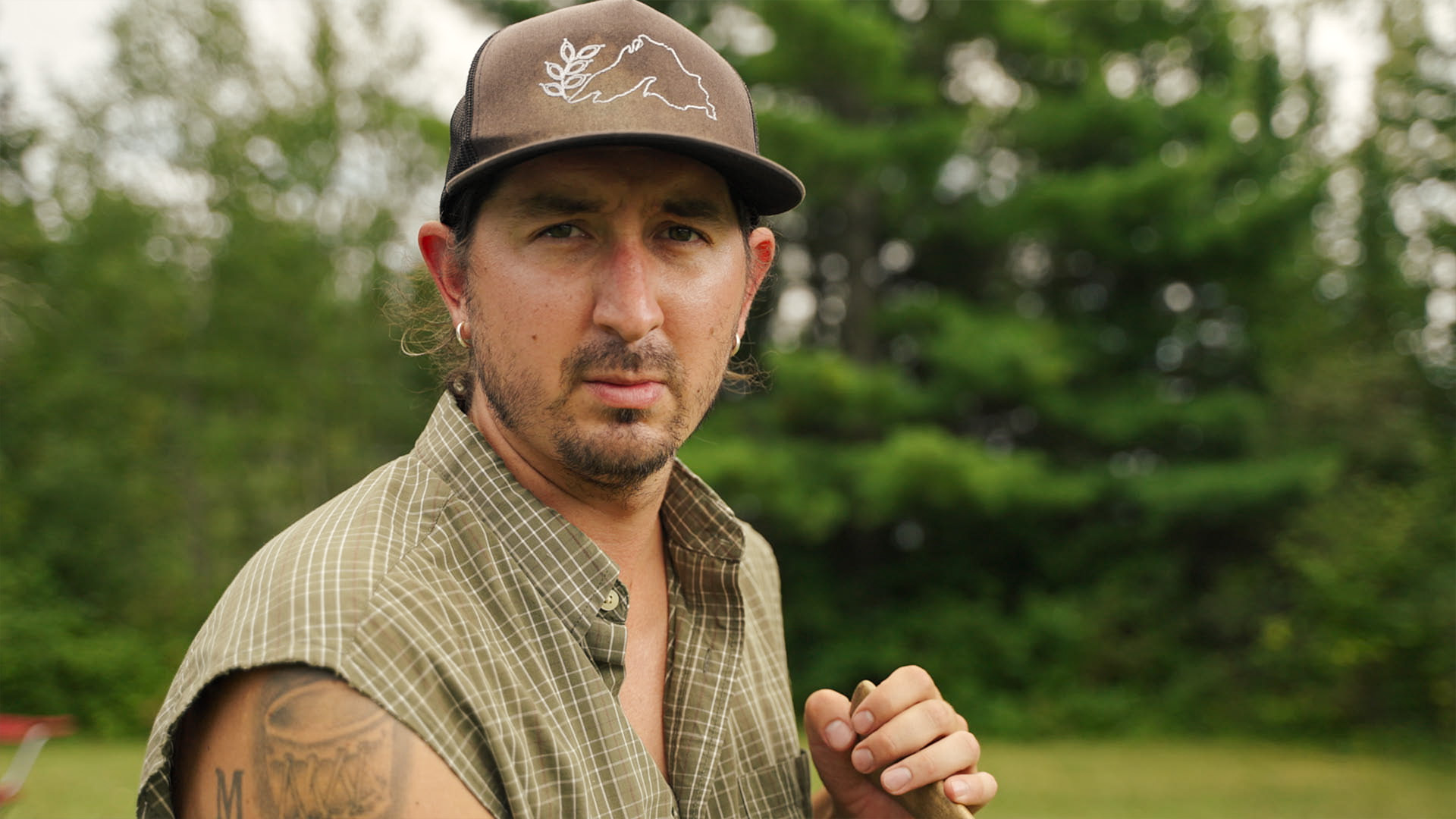
The Bad River Reservation, located in northern Wisconsin, is home to a small Anishinaabe community where manoomin, or wild rice, continues to hold deep cultural significance for its people. The wetlands of Lake Superior provide the perfect habitat for the rice, which continues to provide spiritual, nutritional and economic value for the community. Meet Dylan and Katie, whose preservation of manoomin symbolizes the community’s resilience in maintaining their traditional ways.

OUR STORYTELLERS

DYLAN

KATIE

WILD RICE
Manoomin (Ojibwe)

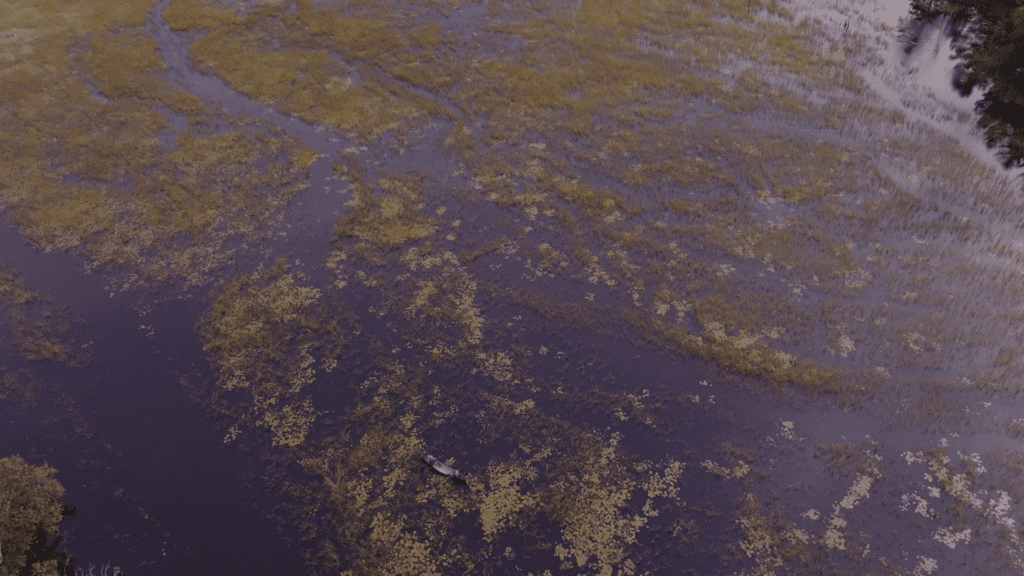
In the shallow sloughs of the Great Lakes and along the banks of thousands of rivers across eastern Turtle Island, lies the very lifeblood of the Anishinaabe people; manoomin. Meaning the “good berry,” wild rice has forever been central to Anishinaabe society, spirituality and their very existence.

In the Anishinaabe creation story, the people followed a shell in the sky to find a place where food grows on water, leading them to the Great Lakes region. Since settling there, the people have maintained a symbiotic relationship with the wild rice, which has supported their nutrition, society and culture for millennia.  

Manoomin is North America’s only native grain and is part of the oryzeae botanical tribe of plants. Although not directly related to domesticated rice, it grows in similar conditions along shallow lake beds and sloughs. It has several health benefits as it is high in protein and dietary fibre, while also low in fat.

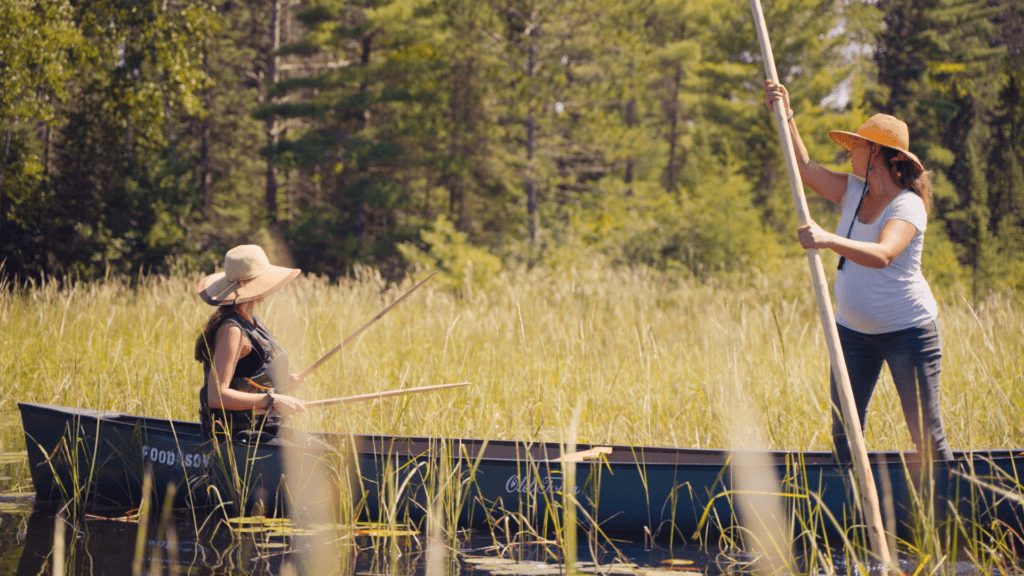
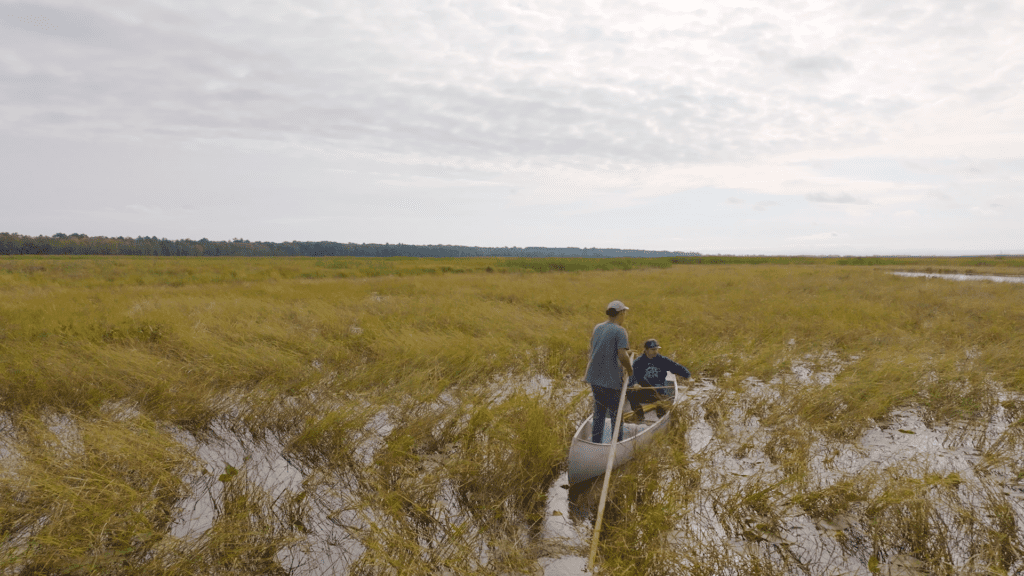
Every year, in the late summer, manoomin grains become ripe and are ready to harvest. A team of two uses a canoe to paddle through the rice beds and use “rice knockers” to lightly tap the strands of rice, threshing the seeds into the bottom of the canoe, collecting them as they move along the water.

“Manoomin is North America’s only native grain and is part of the oryzeae botanical tribe of plants. Although not directly related to domesticated rice, it grows in similar conditions along shallow lake beds and sloughs.”

This gentle technique ensures that only mature seeds are harvested and allows certain grains to fall into the water and onto the muddy lakebed to germinate new plants for the following year, allowing a sustainable harvesting practice.

Once back on land, the rice is dried in the sun for several days before it is transferred to a metal washtub to be parched using a fire, to dry and loosen the rice hulls. The hulls are then removed by dancing on top of the rice in moccasins before the grains are transferred to bark trays to be winnowed to remove the chaff.

Colonization temporarily interrupted the perpetuation of this practice, while industrial agriculture also displaced and destroyed many of these rice beds that have been depended on for centuries for food and spiritual connection.

Nonetheless, Indigenous people across Turtle Island continue to fight for sovereignty and defend the land that creates one of the most sacred foods, ensuring that these traditional practices are passed down to future generations.

CONTACT US

Have a story about your own little big community?
Reach out and let us know! We would love to help you tell it.