Little Big Community

13

EPISODE THIRTEEN : ROTORUA

The town of Rotorua on Atotearoa’s North Island is known internationally for its rich Māori culture and geothermal hot pools set amongst dense redwood forests. It has long been a hub for the Māori people of the surrounding region and is home to a tightly-knit Indigenous community where changemakers continue to stand up for their collective rights, beliefs and traditions. Meet Taumata and Victoria, two Māori organizers who are fostering pride in Indigenous youth through graffiti and rugby.

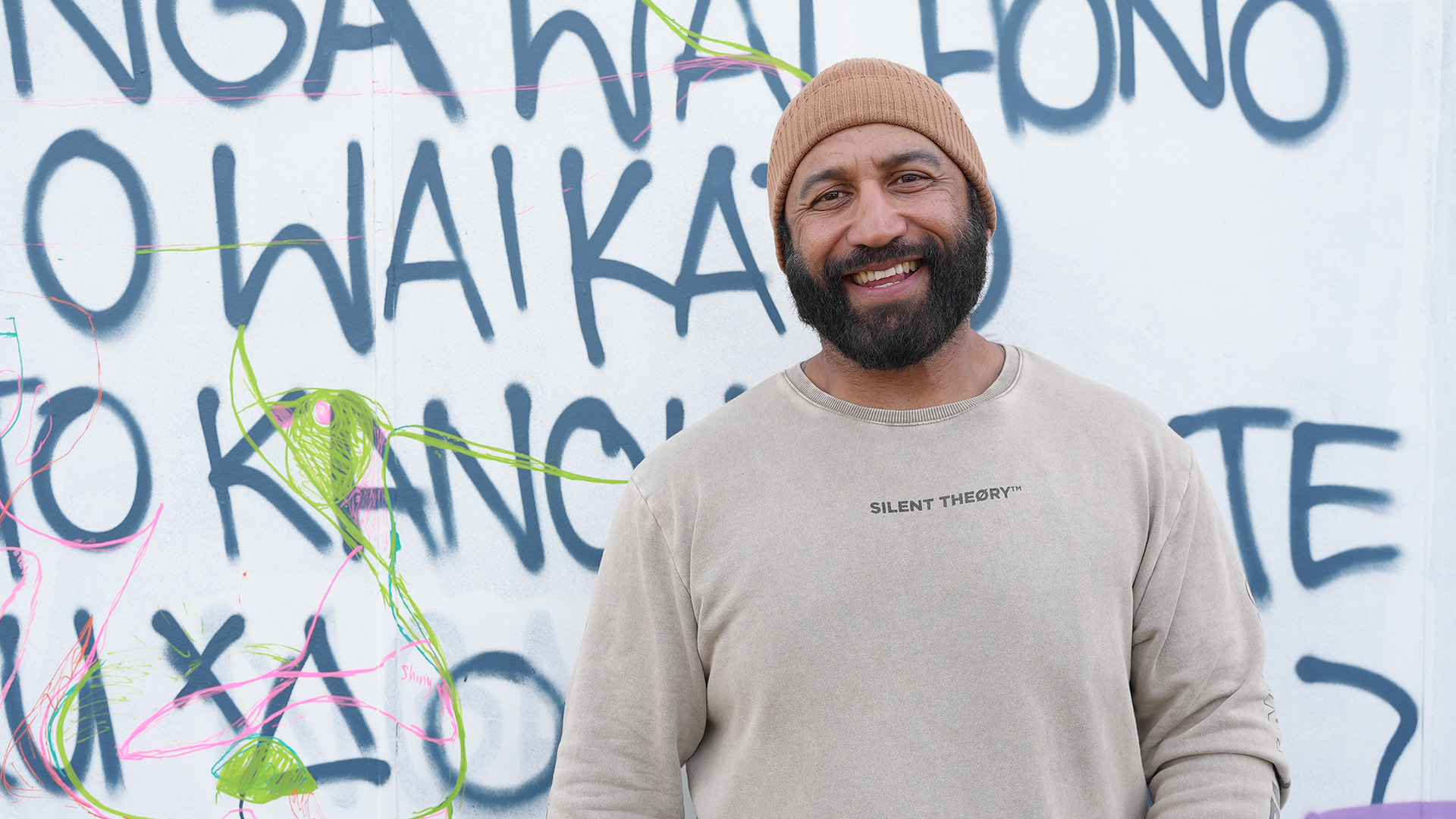
OUR STORYTELLERS

TAUMATA

VICTORIA

FRESHWATER
Waitī (Te Reo Māori)

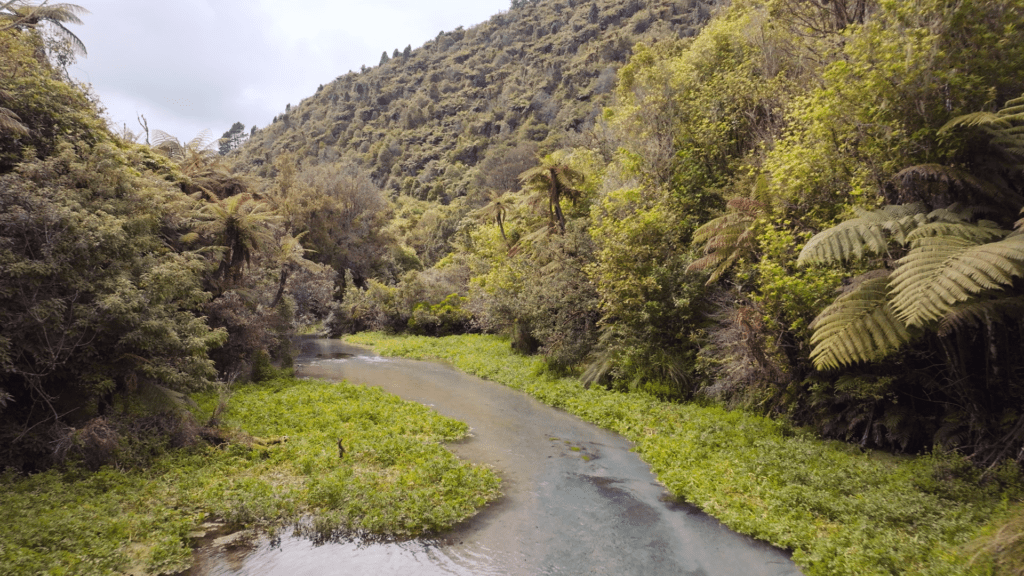
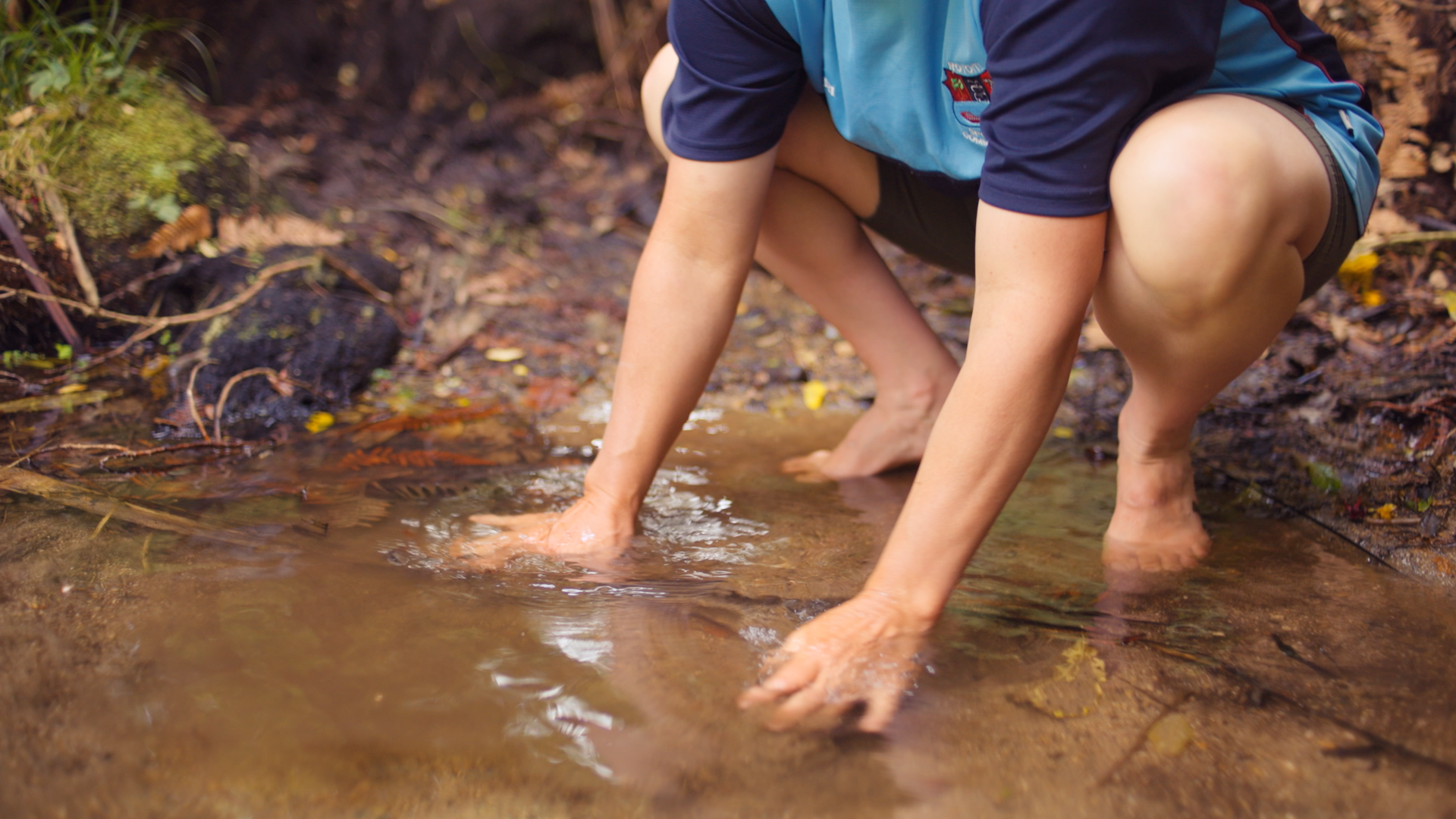
Like many Indigenous peoples across the planet, water has forever been central to the creation stories, cosmology and very existence of the Māori people of Aotearoa. From the small winding streams of the North Island to the mountain glaciers of the South Island, freshwater continues to be central to Māori identity.

In Te Reo Māori, waitī is the word for freshwater, literally translated as wai meaning water and tī meaning sweet. Waitī is one of the nine stars in the Matariki cluster, each representing a different provenance, including the winds, the ocean and the deceased.

Waitī, represented by a female force, revolves around the concept that every living thing, known as mauri, is intrinsically interconnected to freshwater and its health. This means that the health of all mauri depends on the health of the waitī, including the springs, streams, rivers, lakes, wetlands and the plants and animals that live in those places.

For Māori people, the human and non-human worlds are indivisible and kinship relations toward the natural world are paramount. If the waitī is healthy, it will express itself by offering bountiful amounts of fish, eels, plants and freshwater, demonstrating its strong mana, or spiritual power.

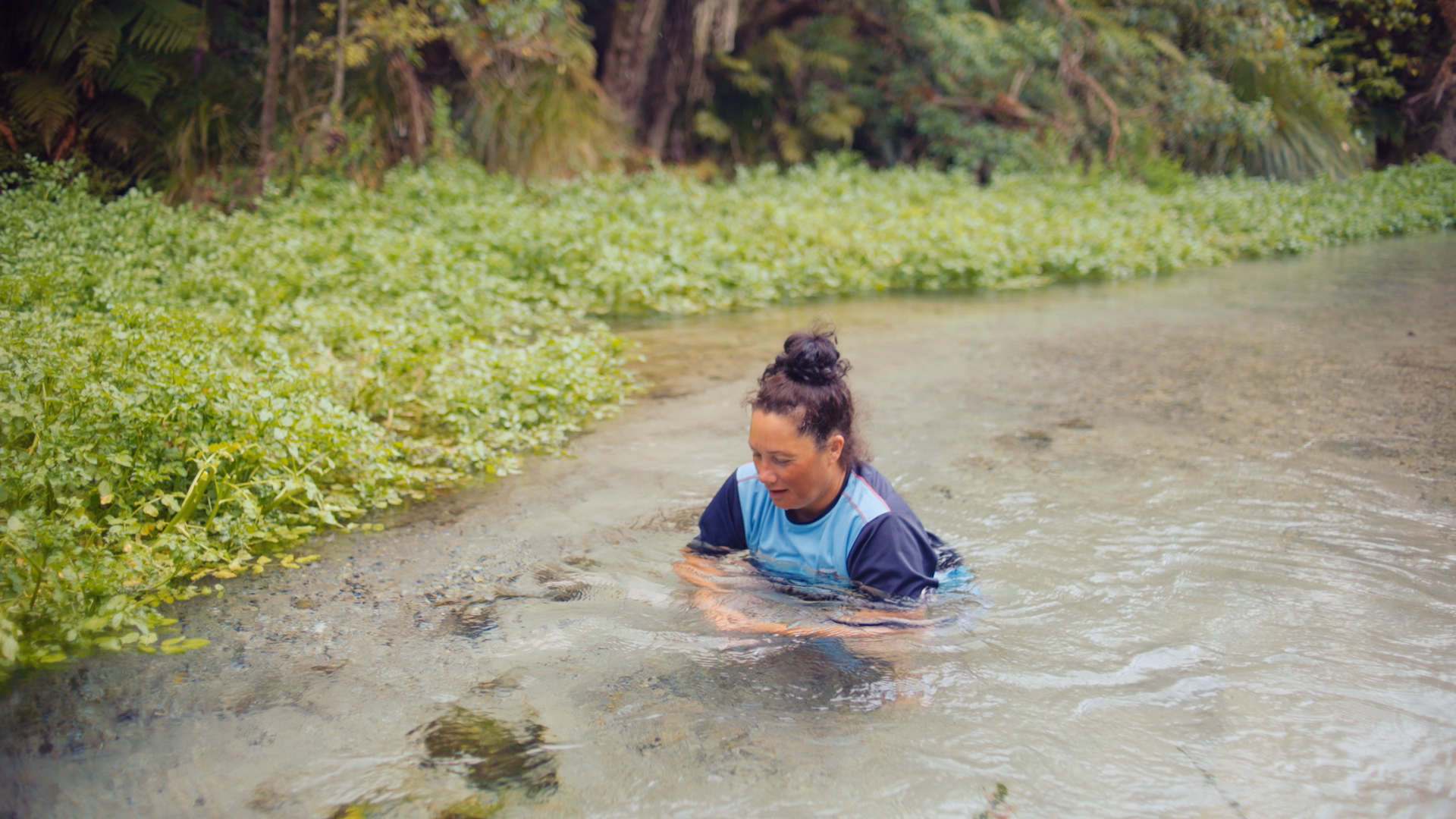
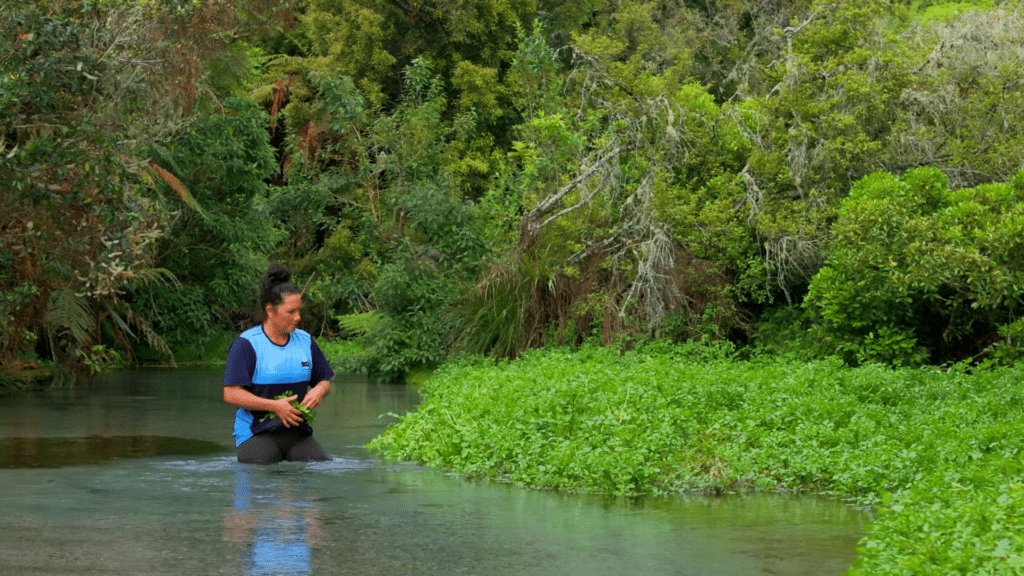
Watercress, known as kōwhitiwhiti, is one such manifestation of a healthy waitī. This freshwater plant grows on the banks of streams and creeks across New Zealand and has long been a crucial part of the Māori diet and used for medicinal purposes.

For Māori people, the human and non-human worlds are indivisible and kinship relations toward the natural world are paramount. If the waitī is healthy, it will express itself by offering bountiful amounts of fish, eels, plants and freshwater, demonstrating its strong mana, or spiritual power.”

The small leafy plant, with a strong peppery taste, is similar to mustard and is one of the oldest vegetables in the world to be consumed by humans. In Aotearoa, it is eaten both raw and cooked, as part of Māori boil-ups or as an accompaniment for hangi, ground-oven cooked meat.

However, large-scale agriculture and the industrialization of society have led to polluted and destroyed watersheds across the country, resulting in wild watercress being unfit for human consumption due to the presence of parasites. In the Māori worldview, this is a direct demonstration of the decline in the health of the waitī.

Therefore, it is both materially and spiritually paramount for the Māori and Pakeha people to continue safeguarding the health of the country’s waterways to ensure the continuation of Indigenous culture and ways of life in Aotearoa.

CONTACT US

Have a story about your own little big community?
Reach out and let us know! We would love to help you tell it.