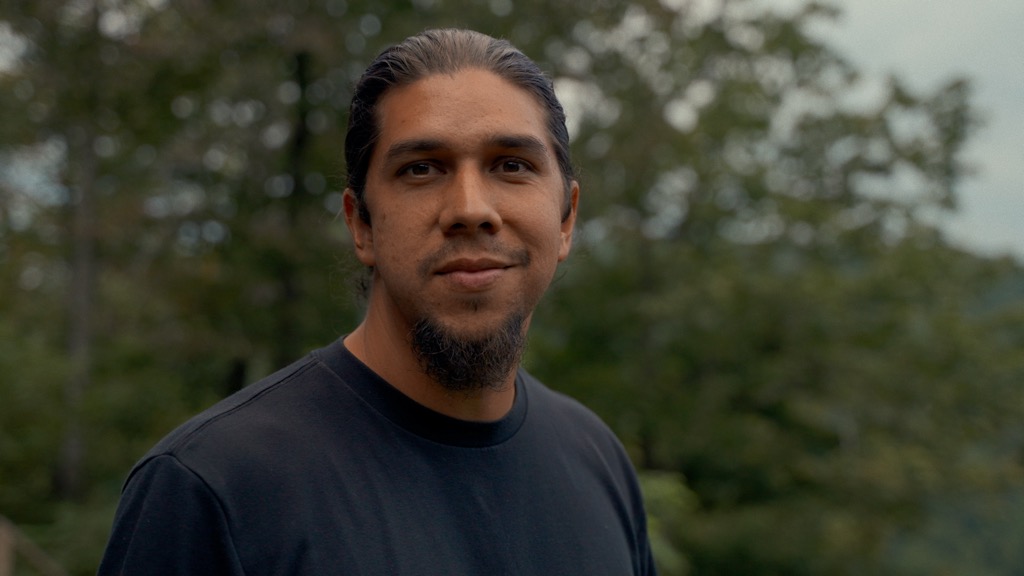
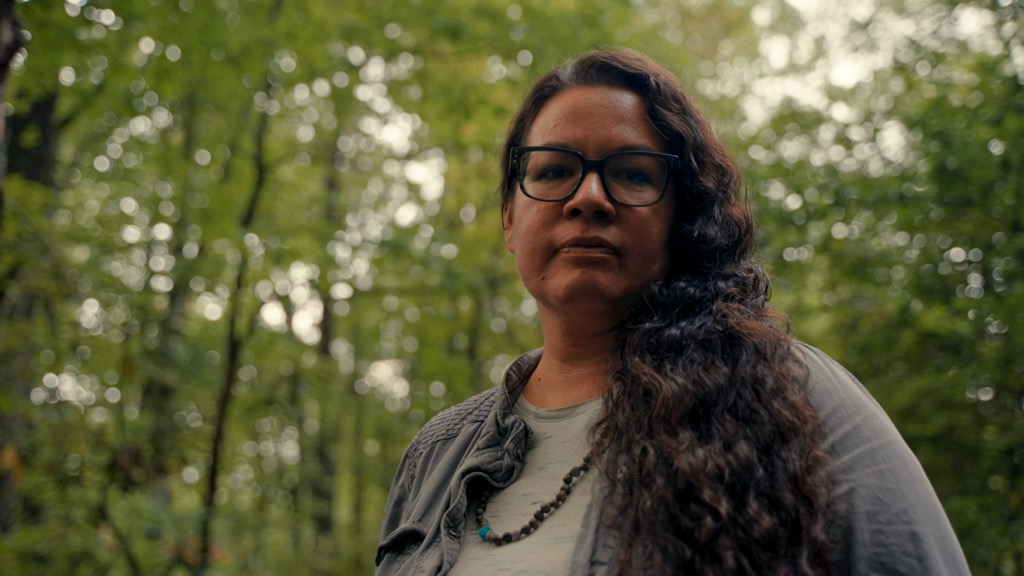
The Eastern Band of Cherokee Indians descend from the Indigenous people who remained in the Great Smoky Mountains of North Carolina after most of their people were forcibly removed during the Trail of Tears in 1838. Today, the community has become an inspirational example of how to balance economic development and the preservation of traditions, as many find opportunity in culture. Meet Levi and Laura, two Cherokee trailblazers leading efforts in cultural revitalization and community leadership.
OUR STORYTELLERS
LEVI
LAURA
RIVERCANE I-hi-ya ᎢᎯᏯ (Cherokee)
Amidst the fog-capped, rolling Apalachian Mountains of North Carolina’s interior, the Cherokee people have lived on and stewarded the land for thousands of years, learning to live in balance with the natural world.
Centred around the mother town of Kituwah, now on the Qualla Boundary, the Cherokee developed a complex society before colonialism. Their reciprocal relationship with local life enabled the development of unique cultural and technological practices.
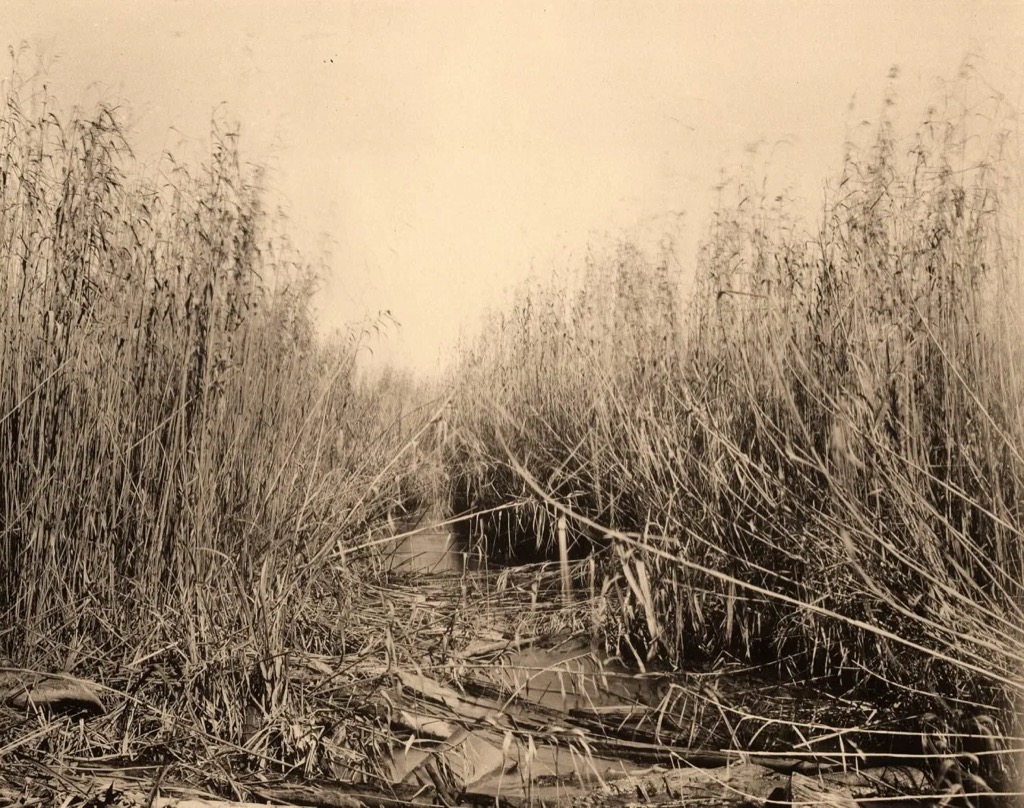
One key example of this relationship is their use of rivercane. Known in Cherokee as i-hi-ya (ᎢᎯᏯ), rivercane grew in abundance along the banks of rivers and creeks throughout their traditional territory in the Southeast. The bamboo-like plant was used in everything from construction to boat-making, from weaving to weapon-making.
The plant grows in patches called canebrakes and can reach heights of up to 20 feet. Before colonization, some canebrakes grew so thick that they were practically impenetrable, and Indigenous people promoted their growth by using fire to prevent the forest from encroaching.
As the United States expanded in the 18th century, settlers encroached on Indigenous lands, clearing them for agriculture. Large canebrakes were destroyed, depriving the Cherokee of a cultural asset. Today, canebrakes have declined by 98% in the Southeast.
“Before colonization, some canebrakes grew so thick that they were
practically impenetrable, and Indigenous people promoted their growth by using fire to
prevent the forest from encroaching.”
Though scarcer, the Cherokee still use rivercane for basket-making. Artisans split the cane into strands and dyed them with natural pigments such as bloodroot, walnut, butternut, or yellowroot.
They use ancestral weaving techniques to create baskets of various sizes and shapes. Double-weave, which involves weaving twice for strength, is one such method.
Once utilitarian, baskets are now seen as artisanal objects. Rivercane handicrafts are vital to tourism and fetch high prices due to scarcity and the time required to make them.
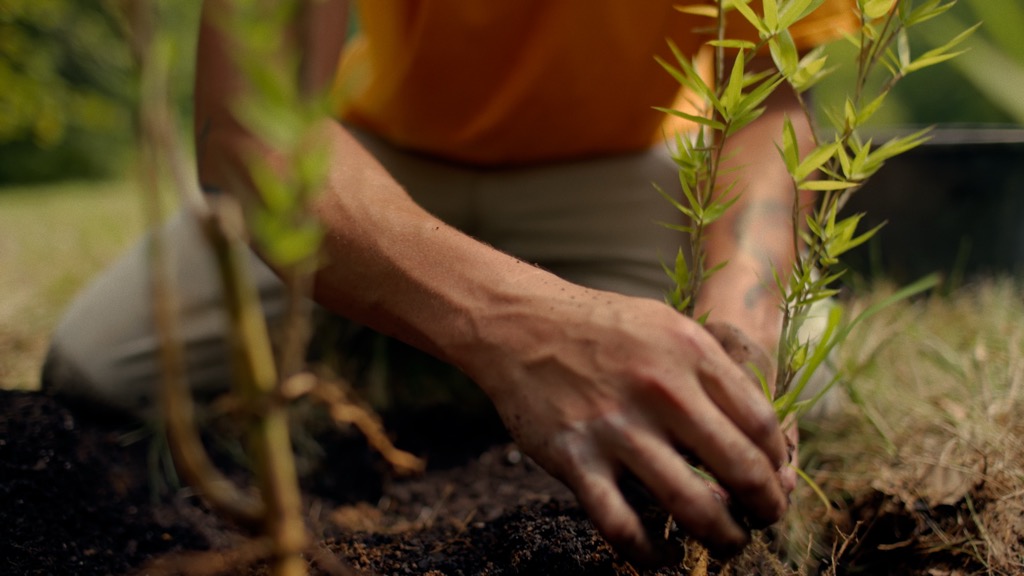
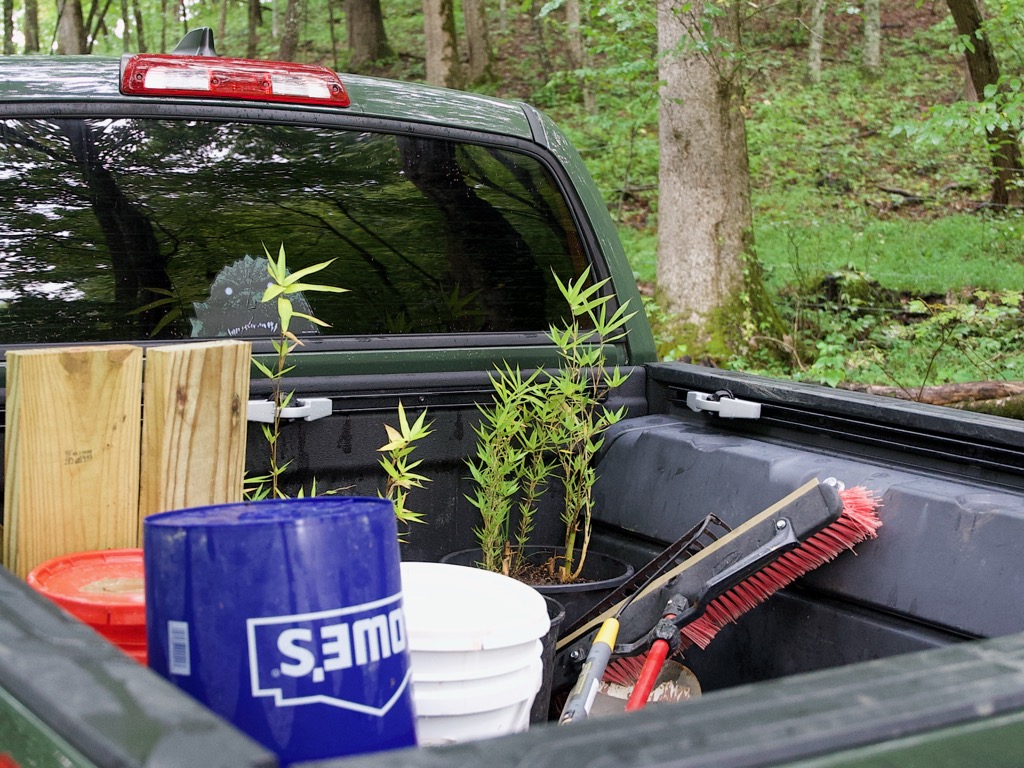
Today, Indigenous groups across the Southeast are spearheading efforts to revitalize rivercane habitat to preserve cultural practices such as basket-making. For instance, the Cherokee National Forest recently launched the ‘Rivercane Restoration Initiative,’ which collaborates with local communities and environmental experts to restore over 200 acres of canebrake habitat.
Local artisans are actively involved in these efforts, ensuring that traditional practices are maintained while educating future generations. For communities like the Eastern Band of Cherokee Indians, bringing back rivercane is not just an effort at environmental conservation, but at the very center of their cultural and identitary rejuvenation.
CONTACT US
Have a story about your own little big community? Reach out and let us know! We would love to help you tell it.