- ABOUT THE SHOW
- TRAILER
- EPISODES
- CREDITS
- CONTACT
For Indigenous peoples around the globe, the oral tradition has forever been a vital way of passing on culture, language and tradition. For the Aboriginal and Torres Strait Islander peoples of what is now known as Australia, yarning circles are among the most important ways of perpetuating that oral tradition.
Derived from the old English sailor’s expression of “spinning a yarn,” it refers to the Aboriginal conversational storytelling style of recounting something based on real experience and knowledge. The yarning circle, which long predates colonial Australia, is an important space to share knowledge, learn about Indigenous culture and respectfully build community.
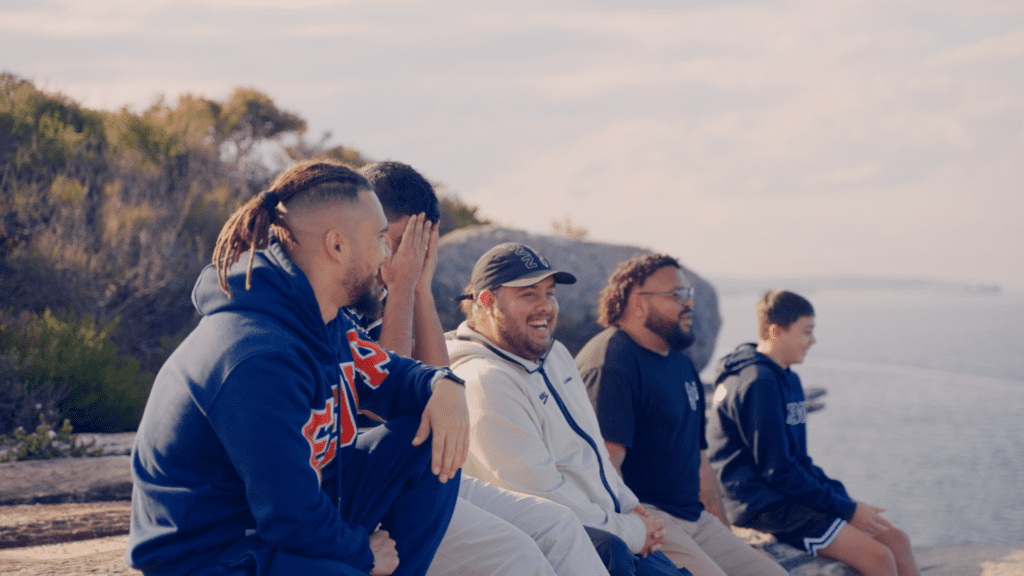
Participants sit in a circle and discuss, creating a safe space where everyone’s contribution is encouraged and allowing the conversation to flow naturally. Yarning circles have been used in Aboriginal communities for thousands of years, safeguarding culture and finding ways to solve problems without conflict.
However, the colonization of Australia led to the outright marginalization and destruction of Indigenous ways of knowing and systems of governance. For the next 200 years, colonial authorities, who saw these practices as primitive, imposed hierarchical systems that prioritized obedience over collaboration.
By the 1970s, Aboriginal and Torres Strait Islanders in Australia began fighting for their civil, cultural and linguistic rights to be recognized and started the process of repatriating sovereignty. Indigenous practices, such as yarning circles, have progressively made their way back into mainstream society and are increasingly being recognized as legitimate.
Today, yarning circles have been introduced in schools, workplaces, universities and even institutions such as prisons to explore how Indigenous ways of storytelling and discussion can help address contemporary issues.
Like many other Indigenous practices around the world, yarning circles are based on each participant’s humility and willingness to listen to others, allowing the ego to drop away and bring forward a more authentic self.
Each participant brings their own story and unique lived experience, ensuring various perspectives can be heard and empathy with others can be felt.
Have a story about your own little big community?
Reach out and let us know! We would love to help you tell it.