- ABOUT THE SHOW
- TRAILER
- EPISODES
- CREDITS
- CONTACT
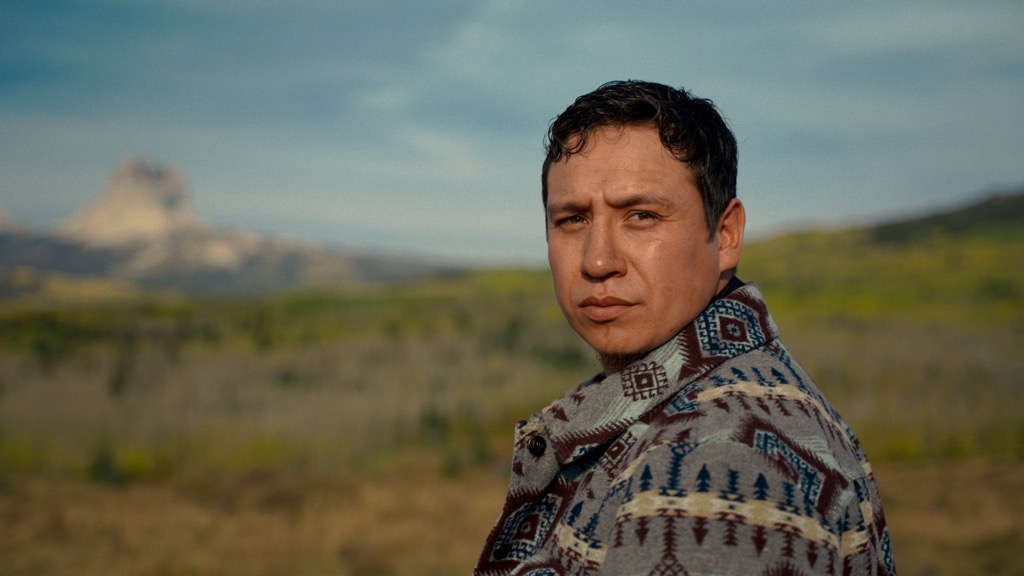
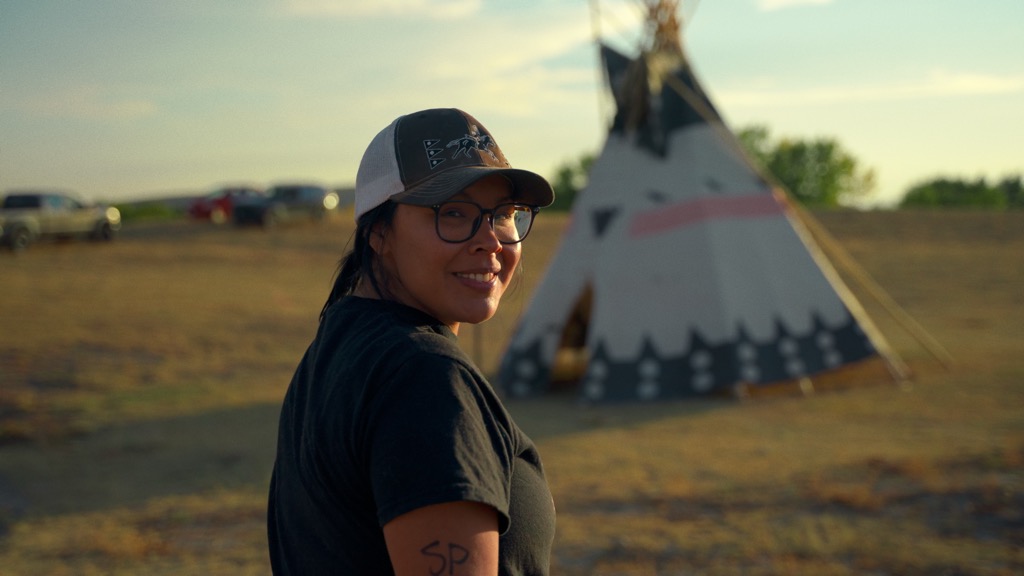
Between the Great Plains and the Rockies, the Blackfeet — Niitsitapi — have tracked buffalo and lived off the land since time immemorial, forging a deep symbiosis with the natural world. Today, their enduring resilience shines through the revival of language and tradition, their stewardship of their territory, and their fortitude in the face of hardship. Meet Emmette and Lynn, two mentors enriching their community’s future through a deep bond with buffalo and horses.
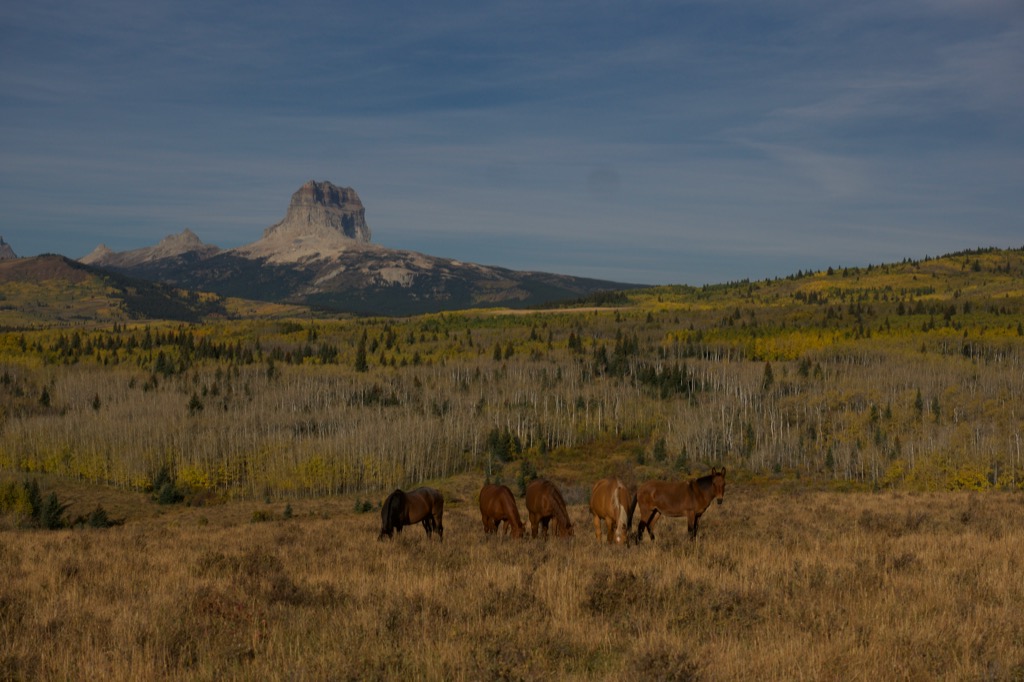
For the Niitsitapi, or Blackfoot, people of Turtle Island’s Northern Plains, horses have shaped their way of life for centuries. Known as ponokáómitaa, or “elk dog,” these animals hold deep spiritual meaning and remain vital in Blackfoot society.
In Niitsitapi beliefs, horses were a sacred gift from the creator, deeply tied to the cosmos, spirits, and tribal identity. Horses became vital to hunting, warfare, wealth, and spirituality, symbolizing strength, freedom, and the people’s unbroken spirit.
Prehistoric horses lived on Turtle Island until about 12,000 years ago, when they went extinct. Following colonization in the late 15th century, the Spanish reintroduced horses, which spread rapidly across the continent.
As horses moved north from present-day Mexico, Indigenous peoples such as the Apache, Navajo, Shoshone, and Lakota quickly adopted and integrated them. Horses became central to travel, hunting, and warfare.
Horses gave those who adopted them a clear advantage and became symbols of status, wealth, and power, as well as a universal standard of barter. The Niitsitapi, who once travelled on foot with dogs for transport, adopted horses in the early 1700s, revolutionizing life on the plains.
Horses gave the Niitsitapi an advantage over enemies who had not yet adopted them and embodied the horse-warrior ethos. This led to unique cultural practices and a close kinship with the creature.

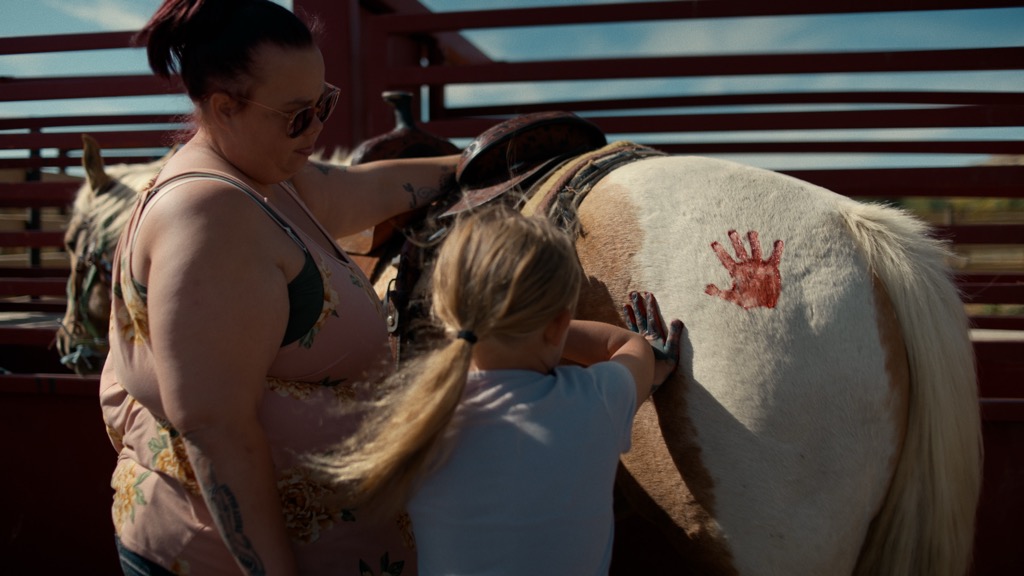
The practice of painting horses with sacred symbols arose to endow the ponokáómitaa with powers that would safeguard them on hunting expeditions and on the battlefield. For example, circles around the horse’s eye or nostril are said to strengthen its senses, granting alert vision and a keen sense of smell for battle, while four rings around its legs will protect it from falling.
Another important cultural practice was the horse blessing ceremony. This involved a series of rituals performed before crucial events, where elders would imbue horses with spiritual protection and strength, ensuring their safety and success in their endeavours.
Other practices, such as relay racing, originated among Plains tribes such as the Blackfeet, Crow, Cheyenne, and Lakota, and developed from warrior training and hunting practices that emphasized speed, horsemanship, and teamwork. It later became a competitive sport at tribal fairs and powwows, preserving cultural traditions while showcasing elite riding skills.
Although colonial displacement and genocide nearly destroyed this deep connection, ponokáómitaa remain central to Blackfeet culture as symbols of identity, resilience, and tradition, with the creature playing a central role in people’s collective healing.
Have a story about your own little big community?
Reach out and let us know! We would love to help you tell it.