Little Big Community

6

EPISODE SIX : CAIRNS

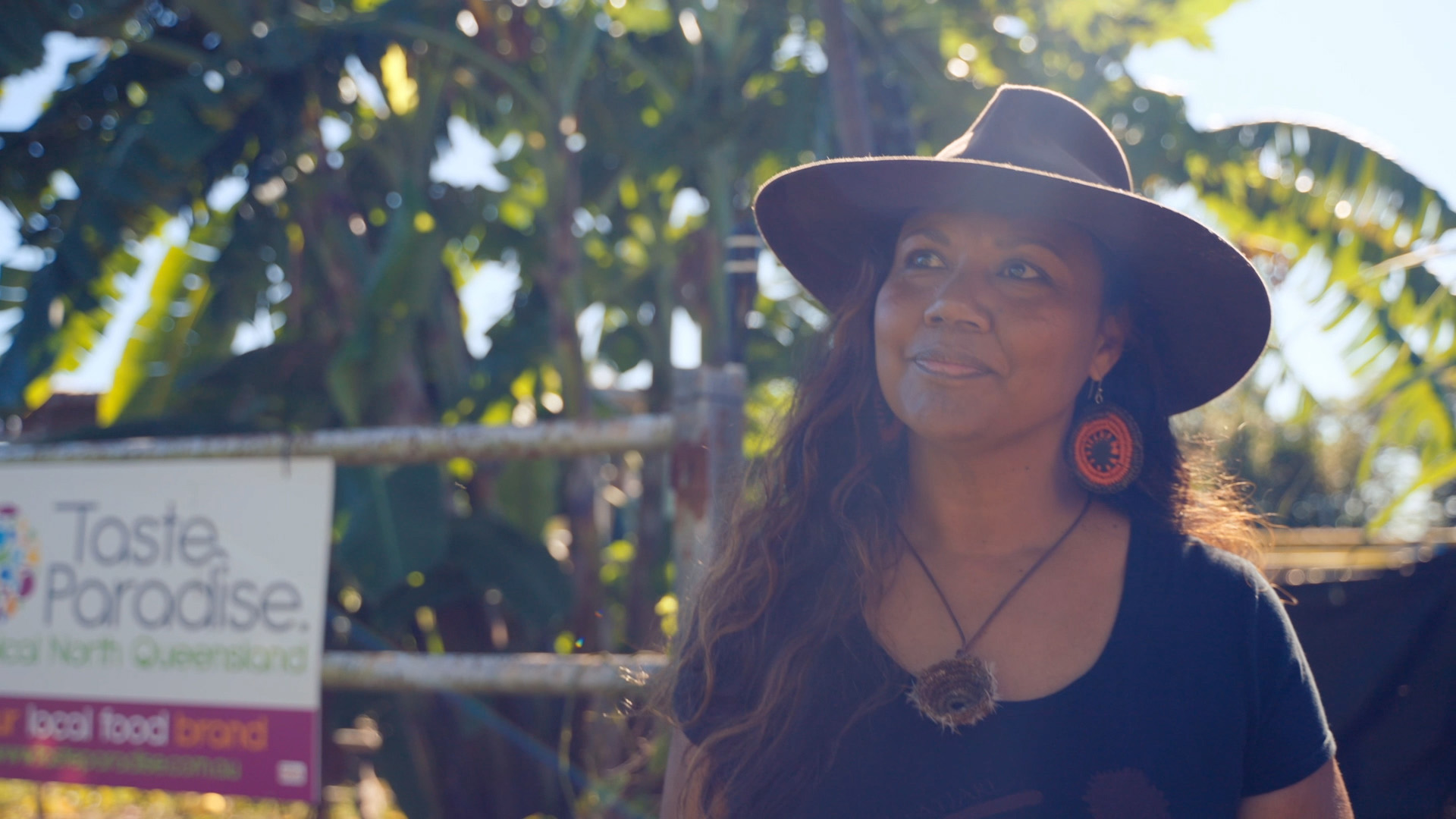
Cairns, located in the tropical rainforests of Far North Queensland, is known traditionally as Gimuy and remains deeply rooted in the culture and traditions of its Aboriginal peoples. Today, the influence of Indigenous culture is evident in everyday life and the city’s Aboriginal communities continue to celebrate their heritage and share their knowledge. Meet Pauline and Samantha, two women who are rekindling their connection to traditions and passing them on to future generations.

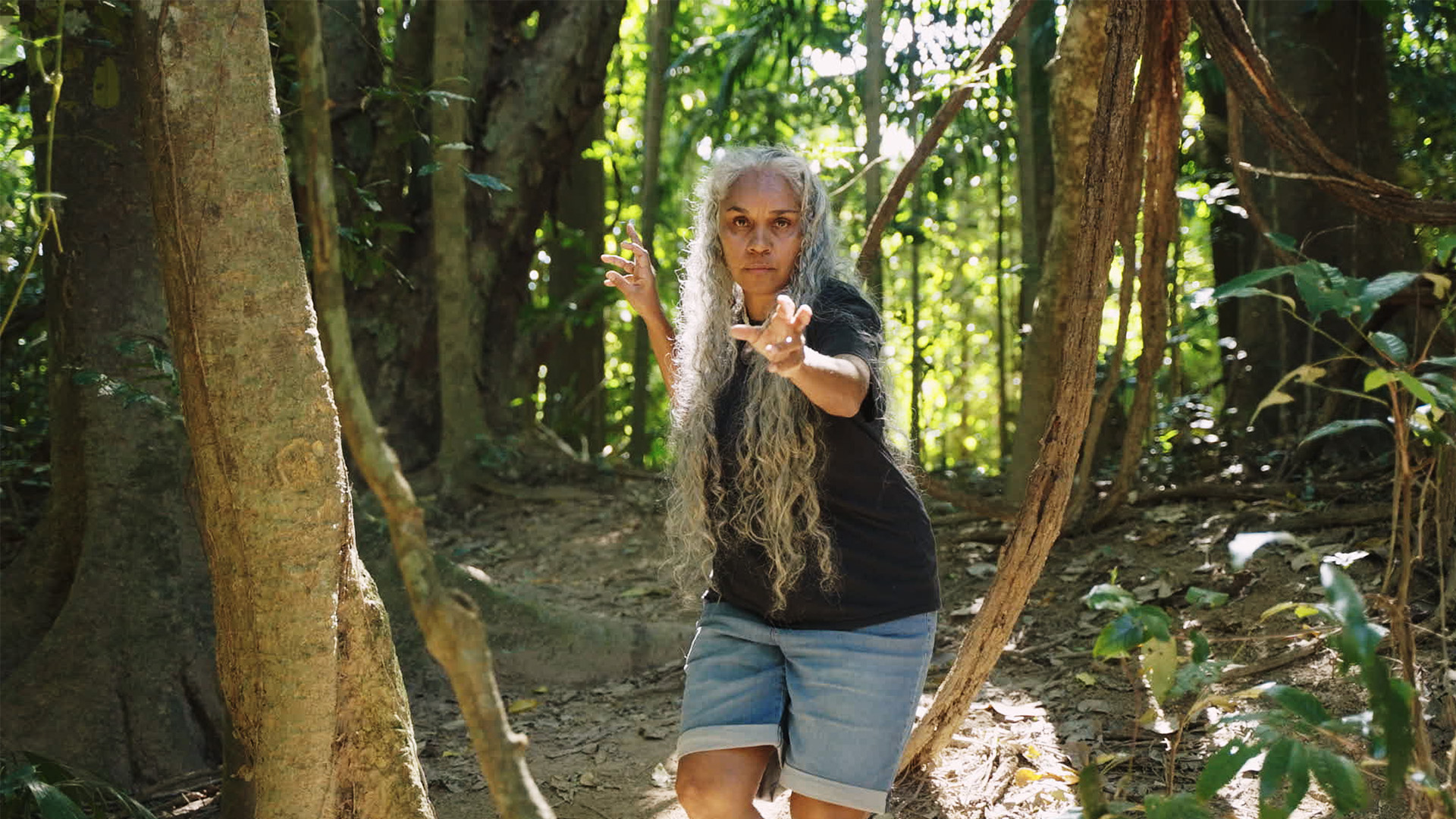
OUR STORYTELLERS

PAULINE

SAMANTHA

FOOD FROM THE BUSH
Bush tucker
(Australian Aboriginal English)

The Australian continent is a vast and uniquely diverse land offering everything from tropical jungles to sun-burnt deserts, with myriad resources that have long supported its Indigenous inhabitants. Aboriginal peoples have been stewards of this land since time immemorial, learning from the land and thriving from its bounty.

For the Indigenous people across Australia, bush tucker is the food that has supported them for thousands of years, sourced from the land and unique to each region. Emu, kangaroo and crocodile, as well as plants like quandong and kutjera, have been eaten for over 60,000 years.

Before colonization, knowledge about hunting, harvesting and gathering techniques was passed down intergenerationally, with roughly 5,000 different types of native foods eaten by Aboriginal peoples across the continent. These foods were cooked and processed using various traditional methods, such as cooking on open fires or boiling in bark baskets.

“For the Indigenous people across Australia, bush tucker is the food that has supported them for thousands of years, sourced from the land and unique to each region. Emu, kangaroo and crocodile, as well as plants like quandong and kutjera, have been eaten for over 60,000 years.”

As colonizers arrived in Australia, many Europeans believed the land was barren and had nothing edible to find. However, Aboriginal people shared their knowledge and supported many of the settlers with foods from the bush, allowing many to survive.

However, the violence and genocide that came with colonization decimated these practices and halted the transmission of knowledge. Due to their forced displacement from traditional lands, many Aboriginal peoples were rendered dependent on government rations and lost connection to their traditional territory.

For over 200 years, bush tucker was largely abandoned by Aboriginal people as non-native foods were introduced. It was only by the early 1980s that bush tucker began to make a comeback, as many Aboriginal people began standing up to the government to gain civil rights and reclaim their sovereignty.

Since then, bush tucker has become more common across Australia, with kangaroo meat available in most grocery stores and spices such as lemon myrtle finding their way onto restaurant menus. Macadamia nut, for example, is consumed globally, but few know that it is native to Australia.

It is only today that wider society is beginning to recognize the deeply rooted knowledge Indigenous Australians have fostered and are finally beginning to celebrate the bush tucker that has allowed people to live in symbiosis with the land, the plants and the animals for millennia.

CONTACT US

Have a story about your own little big community?
Reach out and let us know! We would love to help you tell it.