Little Big Community

8

EPISODE EIGHT : ESKASONI

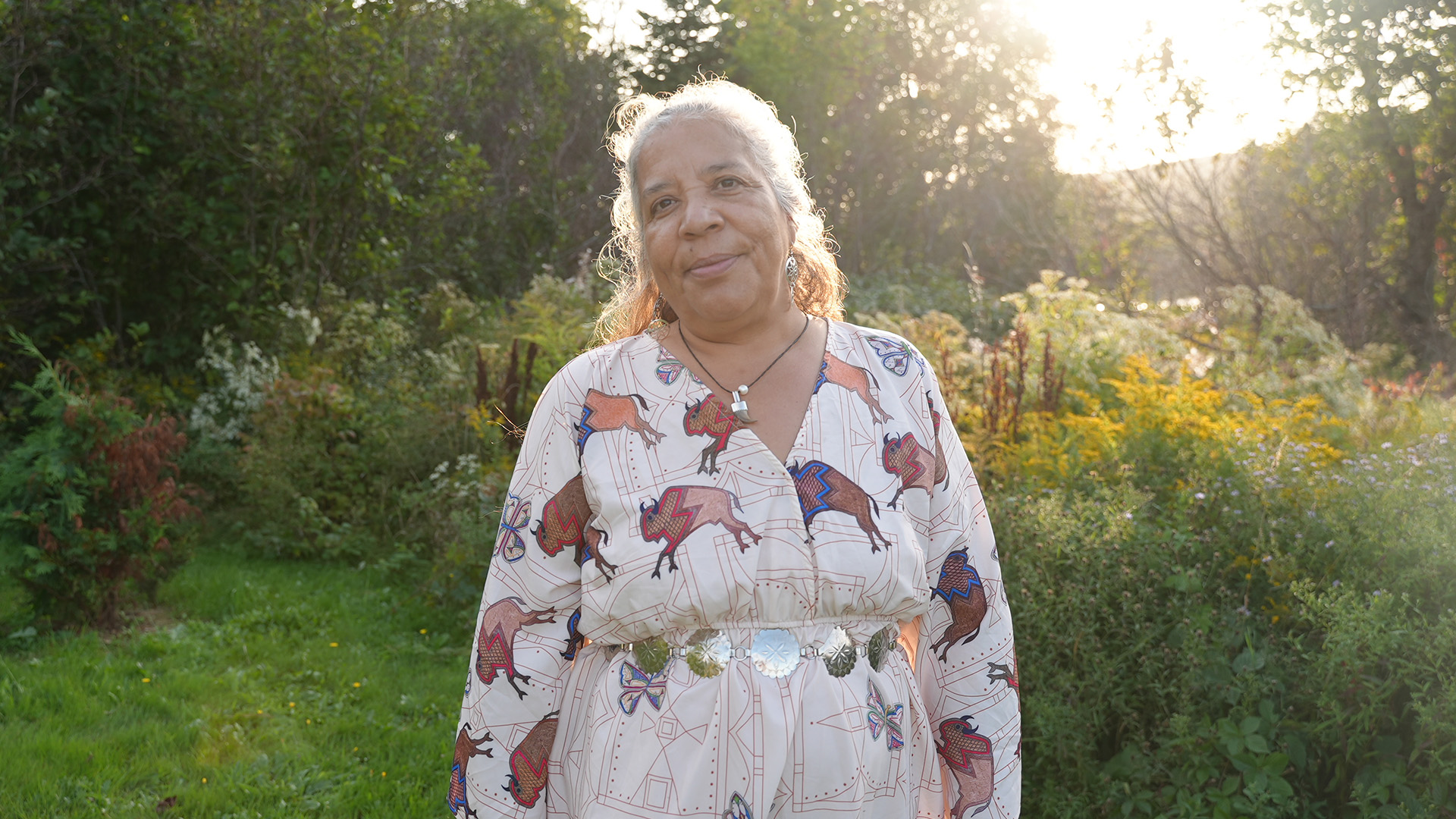
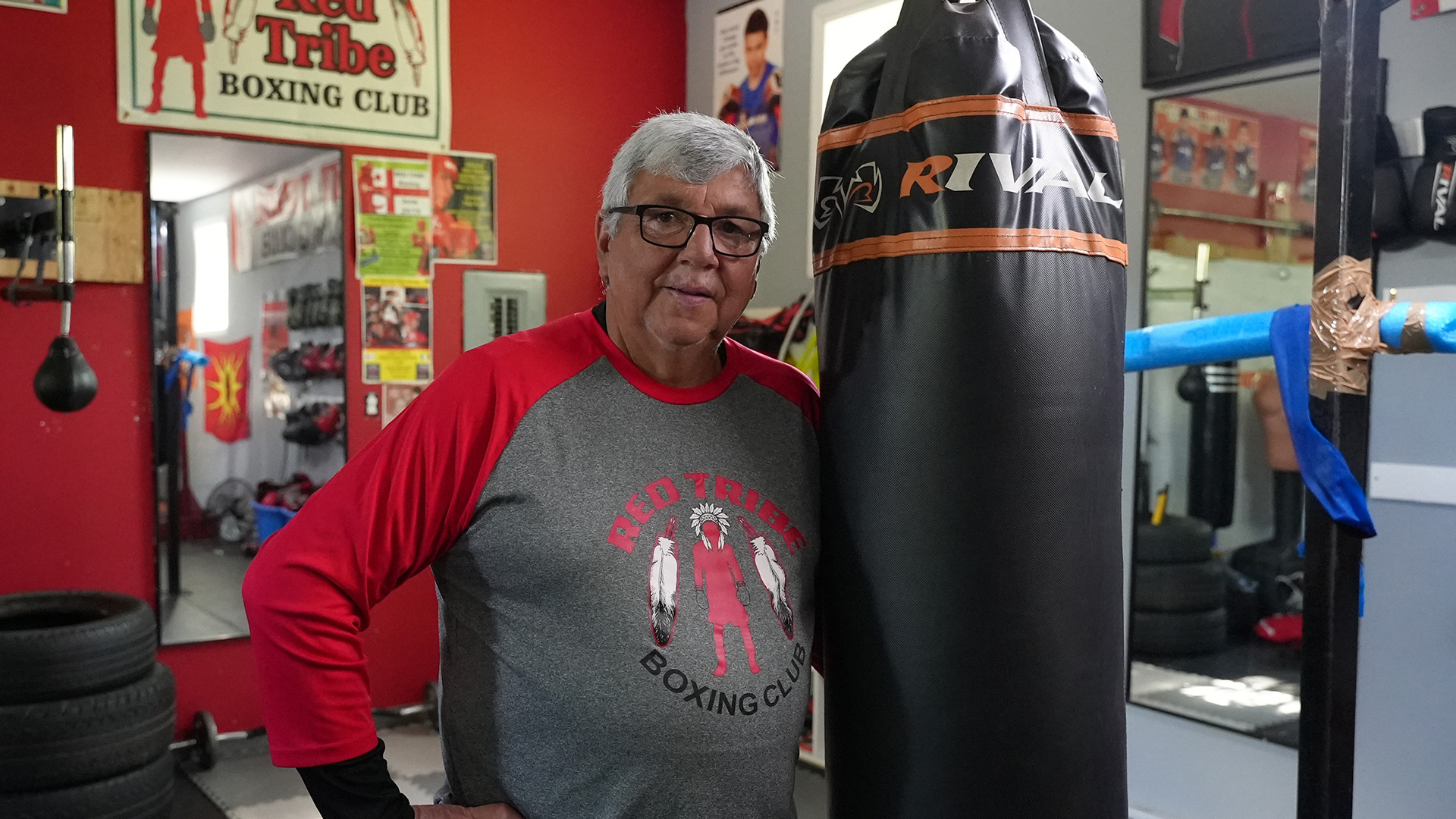
Located on the eastern shore of Bras-D’Or Lake in Nova Scotia, Eskasoni First Nation is the largest Mi’kmaq community on Turtle Island and remains a vibrant and thriving hub for Indigenous people from around the region. Many in the community are now working to bring back traditional practices and give youth healthy coping mechanisms for them to reach their full potential. Meet Barry and Nancy, two Mi’kmaq leaders who through boxing and pottery are inspiring youth in their community.

OUR STORYTELLERS

BARRY

NANCY

COOKING POT
Sasqa'gwit (Mi'kmawi'simk)

Across Turtle Island, Indigenous nations have developed and perpetuated sophisticated ceramics and pottery cultures for thousands of years. From the American Southwest to the Eastern Woodlands, unique pottery techniques have been developed, refined and passed down for generations.

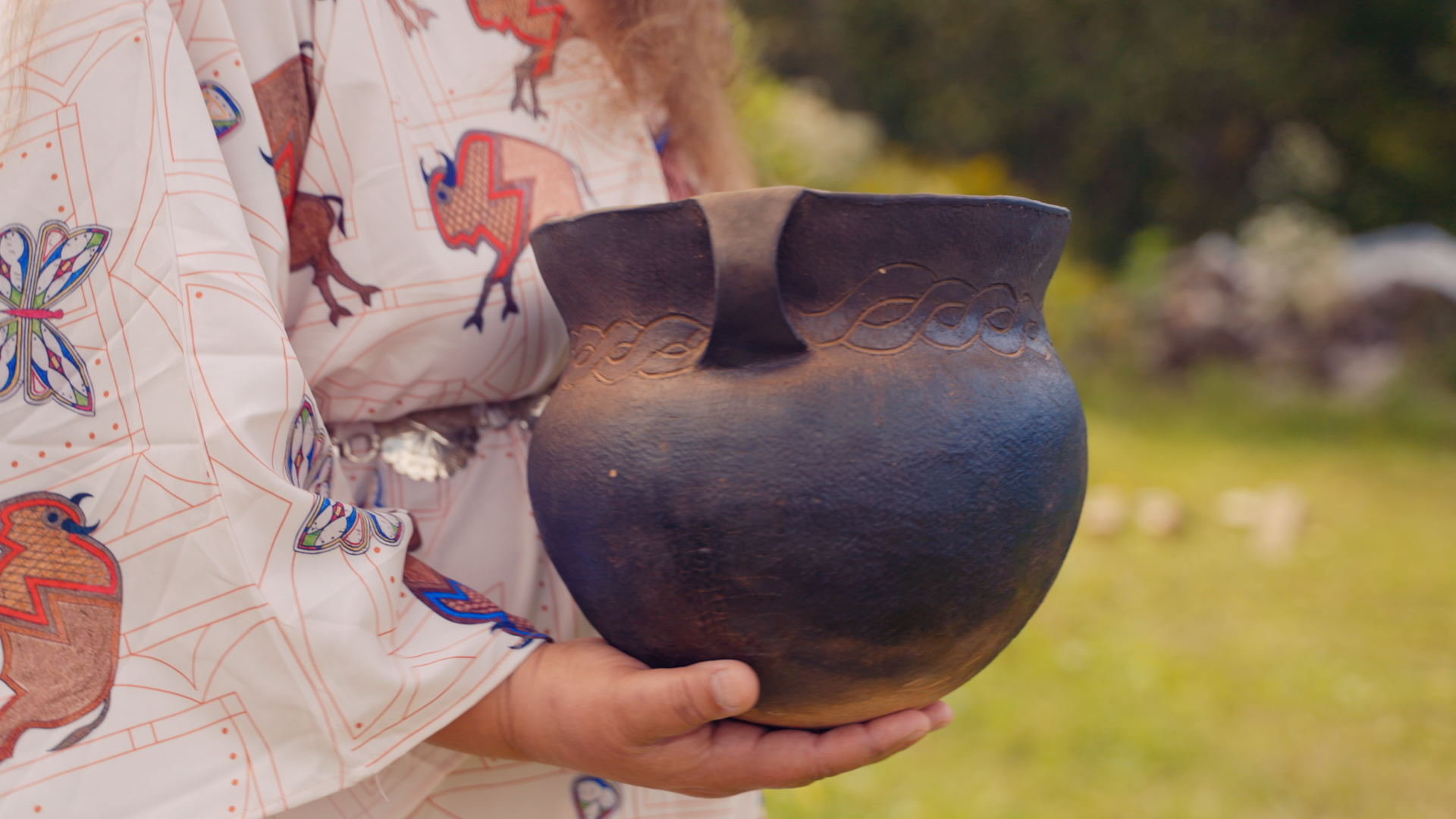
While many such cultures have remained robust through time, it is only now that the Mi’kmaq are rediscovering a unique ceramics tradition that many believed had been lost to history. Sasqa’gwit means cooking pot in Miꞌkmawiꞌsimk, and for hundreds of years, these were made out of ceramic.

Before colonization, the Mi’kmaq people had developed a unique and technologically advanced ceramics culture, producing thin-walled, conically shaped cooking pots that were ornately decorated. These pots could be placed directly on coals to cook food and not shatter.

This was possible thanks to a unique mix of clay, sand and shell that would break up the pot’s rigid structure and allow for use on high heat. This highly advanced technological innovation was not again reproduced until the mid-20th century, when heat-resistant tiles were developed for space travel.

“Before colonization, the Mi'kmaq people had developed a unique and technologically advanced ceramics culture, producing thin-walled, conically shaped cooking pots that were ornately decorated.”

As European colonization began roughly 500 years ago, knowledge transmission was disrupted and the practice disappeared from the archeological record. Historians believe that many knowledge-keepers did not survive the waves of disease brought from Europe and the practice was lost.

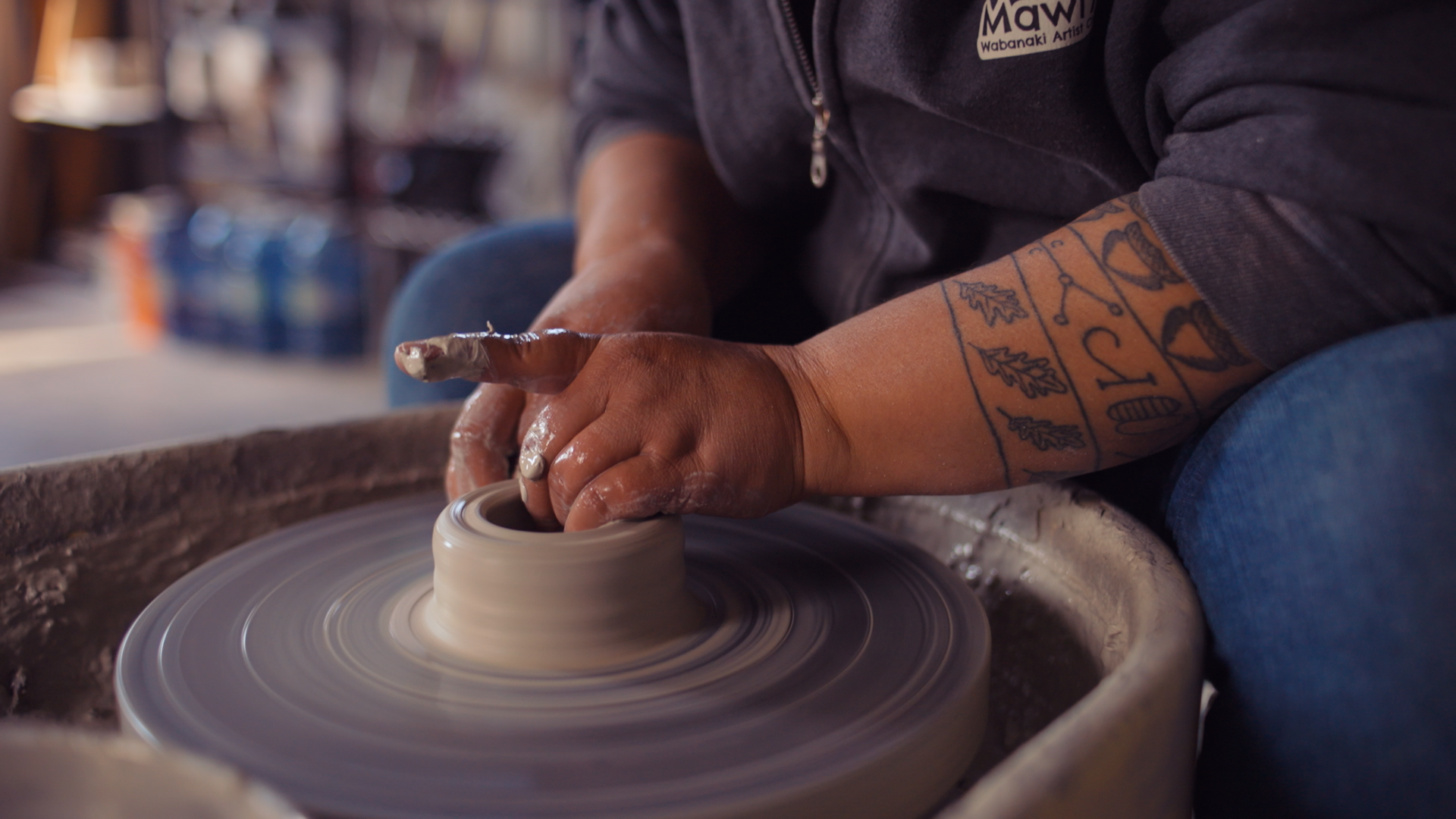
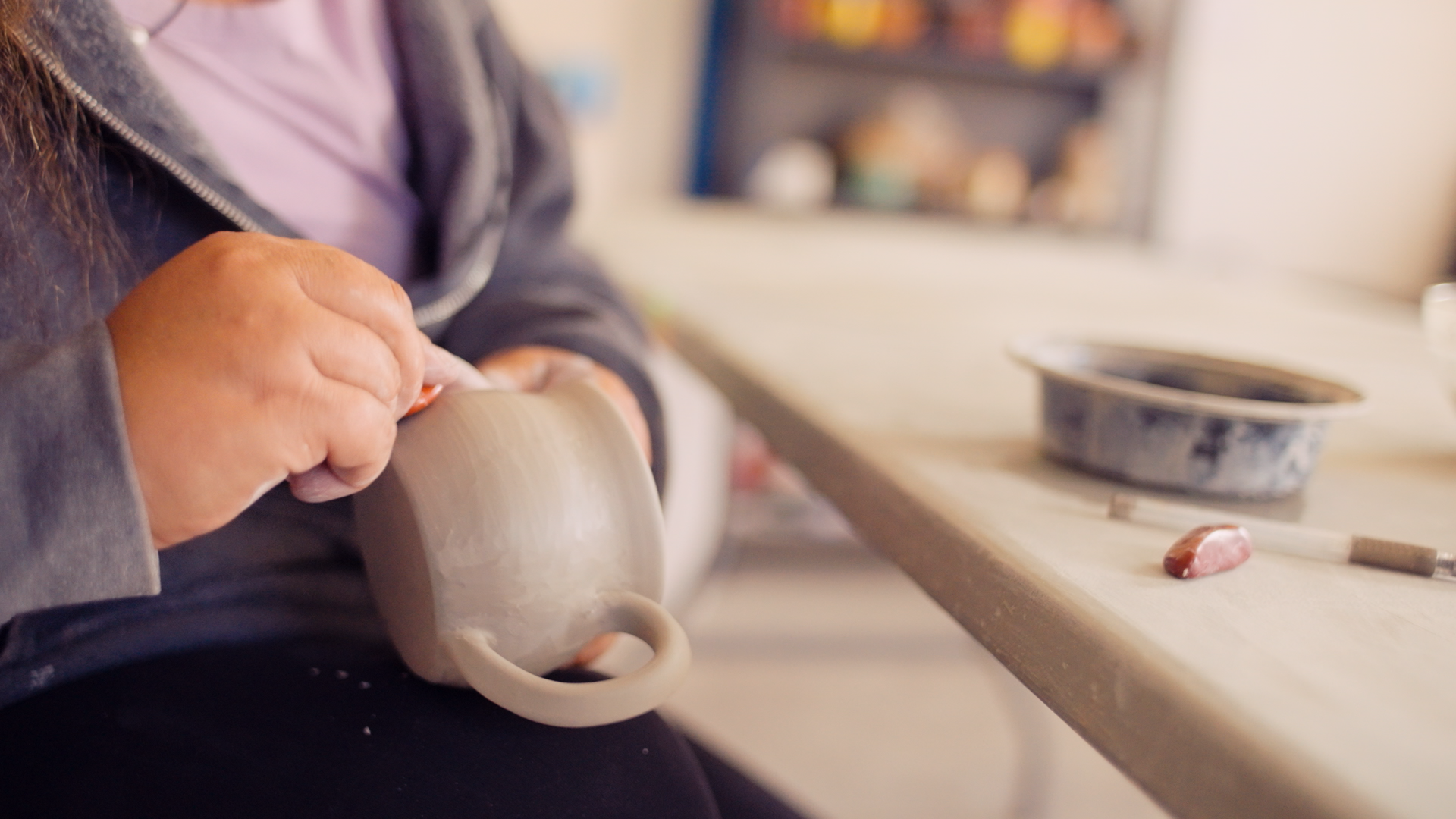
Only now, through archeological study, are Mi’kmaq communities understanding the full scope of this cultural heritage, with a handful of artisans trying to bring the practice back. For example, Eskasoni-based potter Nancy E. Oakley has been experimenting with traditional techniques, attempting to revive this ancestral knowledge.

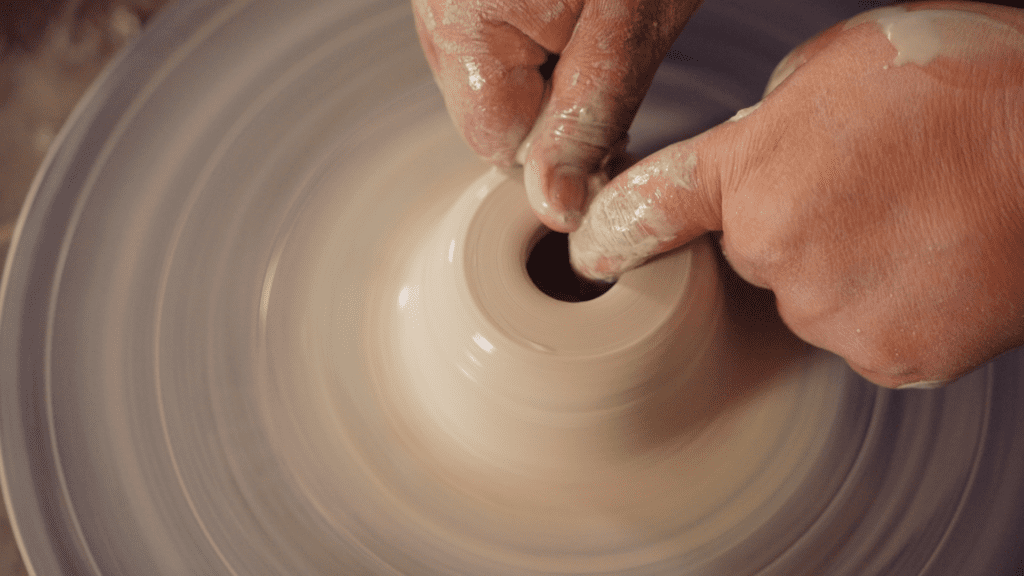
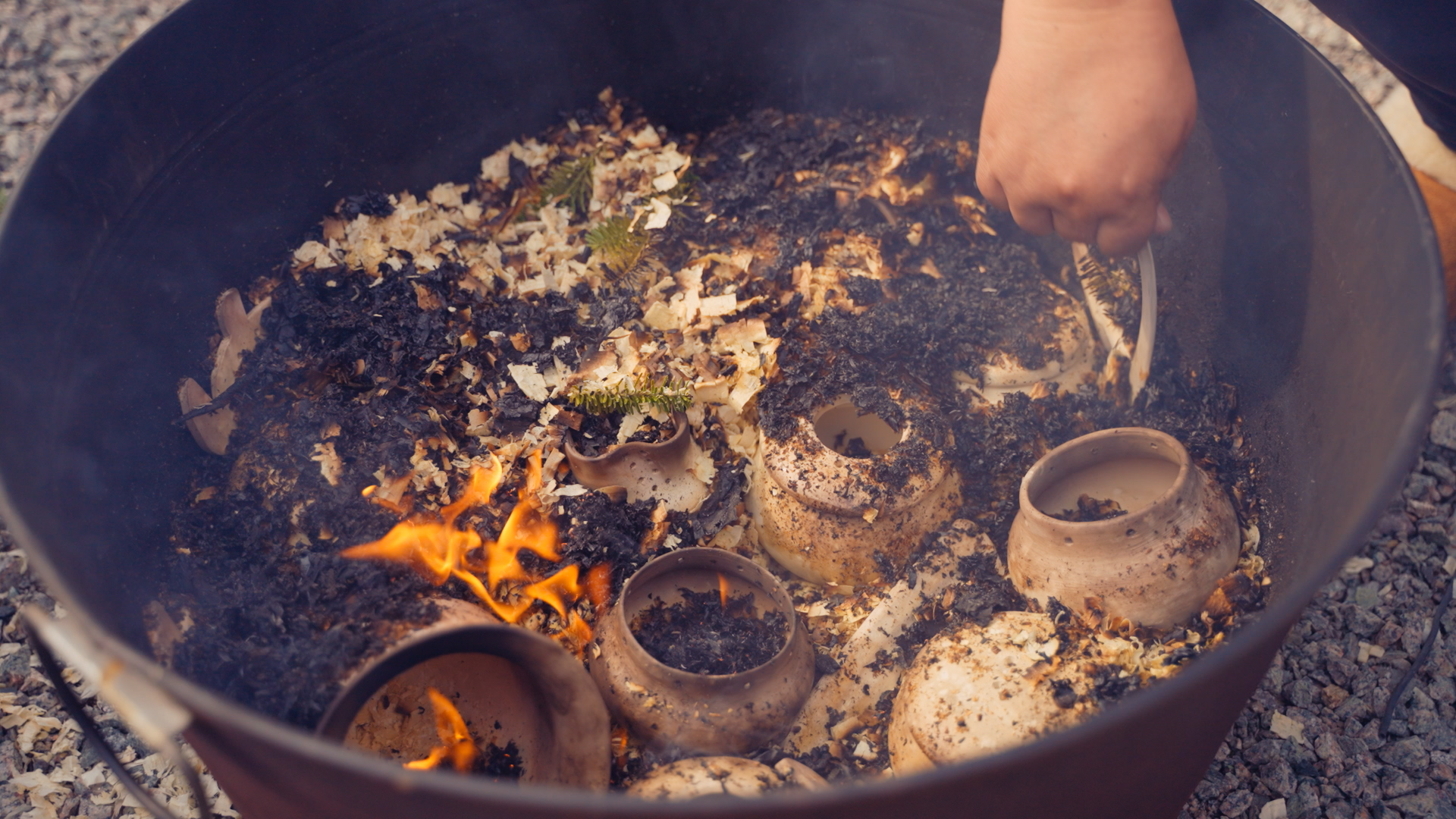
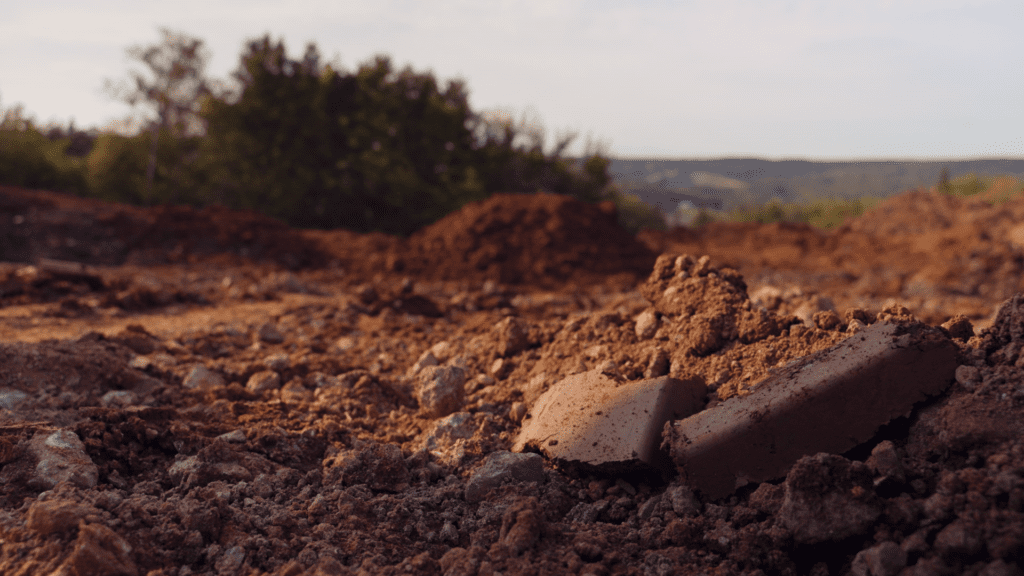
Oakley sources clay from around her home in Eskasoni First Nation and mixes it with mussel shells and sand from the nearby shoreline, before shaping it into her desired shape. She then heats the pots around an open fire before filling them with water and placing them in the flames to complete the firing process.

Although she hasn’t yet found the exact composition of how the ancestral pottery was made, her work is a testament to the devotion of many Indigenous groups to safeguard their traditional knowledge and ensure that future generations can also contribute to the perpetuation of this unique cultural heritage.

CONTACT US

Have a story about your own little big community?
Reach out and let us know! We would love to help you tell it.