- ABOUT THE SHOW
- TRAILER
- EPISODES
- CREDITS
- CONTACT
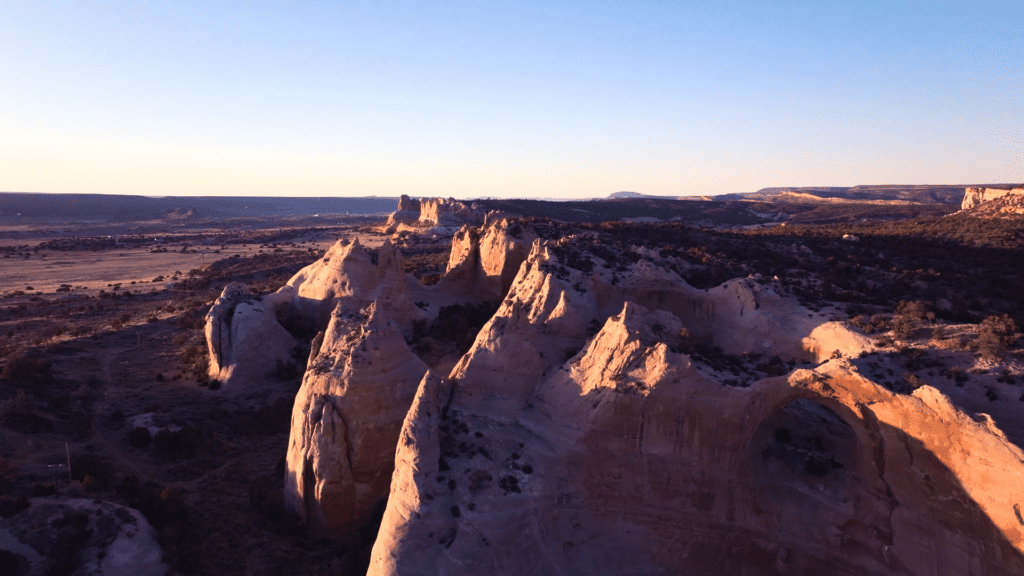
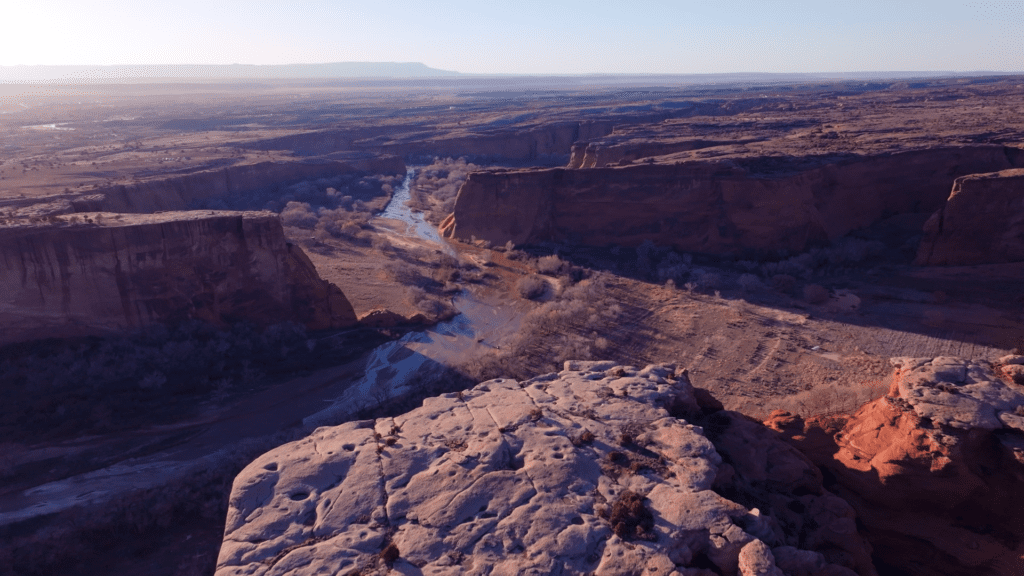
Across the high hills and vast deserts of the Navajo Nation, thousands of canyons, coulees, gulches and ravines crisscross the landscape, serving as a living testament to the region’s geological past and rich human history.
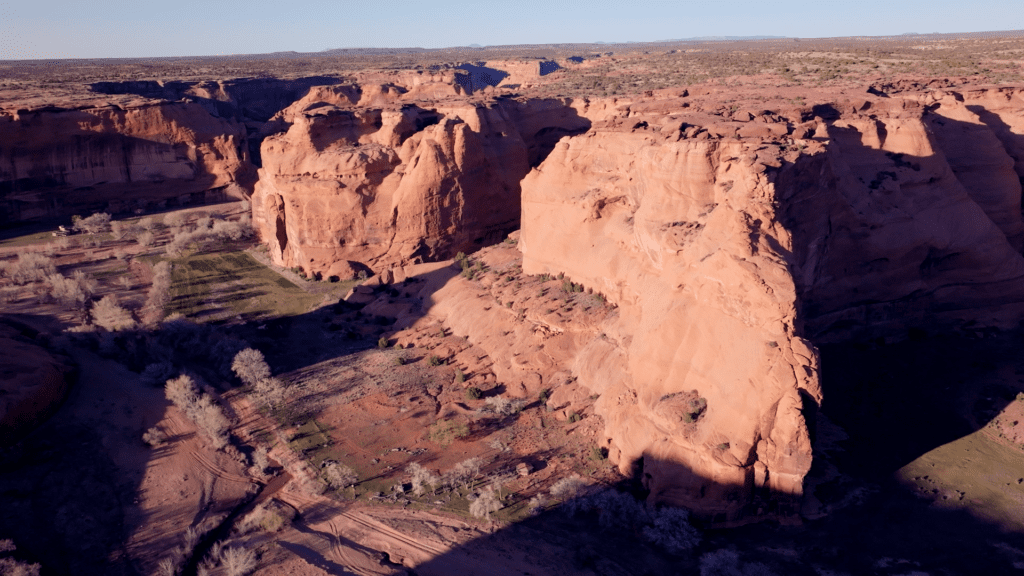
Known in the Diné language as tsékooh, the many canyons across their traditional territory each hold their own story, from sacred sites to historical settlements. Just east of the small hamlet of Chinle lies Canyon de Chelly, pronounced “shay”, which holds deep spiritual significance for the Navajo people.
At the eastern end of the canyon, Spider Rock juts up from the canyon floor towards the sky. It is said that this is where the Spider-Woman lives, the first to weave the web of the universe and teach the people to live “The Beauty Way,” in harmony between mind, body and soul.
Known in Diné as Tséyi, humans have lived in the canyon for over 5,000 years. Before the Navajo, Ancestral Puebloans carved out dwellings in the rockface of the cliffside, still visible to this day at the White House Ruin.
It was only later that the Navajo migrated towards the area and settled within the canyon, setting up small villages of traditional hogan dwellings, planting peach orchards and tending pastures to raise sheep.
As the westward expansion of the United States brought forth colonization, the US government began a military campaign of subjugation by invading their traditional territory. The Navajo used the canyon as a stronghold and fought valiantly to defend their people.
But in 1864 the US military seized the canyon, destroying everything they came across and leading survivors on a forced march of expulsion, now known as The Long Walk. After several years of displacement, starvation and hardship, the people were eventually allowed to return to their homelands.
Since then, some Diné people have resettled in the canyon, where roughly forty families now live, raising sheep and tending to their orchards much like their ancestors once did. Although Canyon de Celly is now classified as a National Monument, it is entirely owned by the Navajo Nation.
Today, the natural beauty of these tsékooh and the outdoor activities they offer draw tourists from around the world. Although times have changed, these canyons continue to offer the Navajo people economic opportunity, collective pride and spiritual connection to their territory.
Have a story about your own little big community?
Reach out and let us know! We would love to help you tell it.