Little Big Community

11

EPISODE ELEVEN : CUSCO

The Peruvian city of Cusco, with a name derived from the phrase qusqu wanka or “rock of the owl” in the Aymara language, is steeped in a deep Indigenous culture and a history that stretches back millennia. Today, Indigenous activism is a powerful force in Cusco, with movements advocating for land rights, cultural preservation and political representation. Meet Siwar and Javier, two local Indigenous activists using the mediums of film and music to raise awareness and educate those around them.

OUR STORYTELLERS

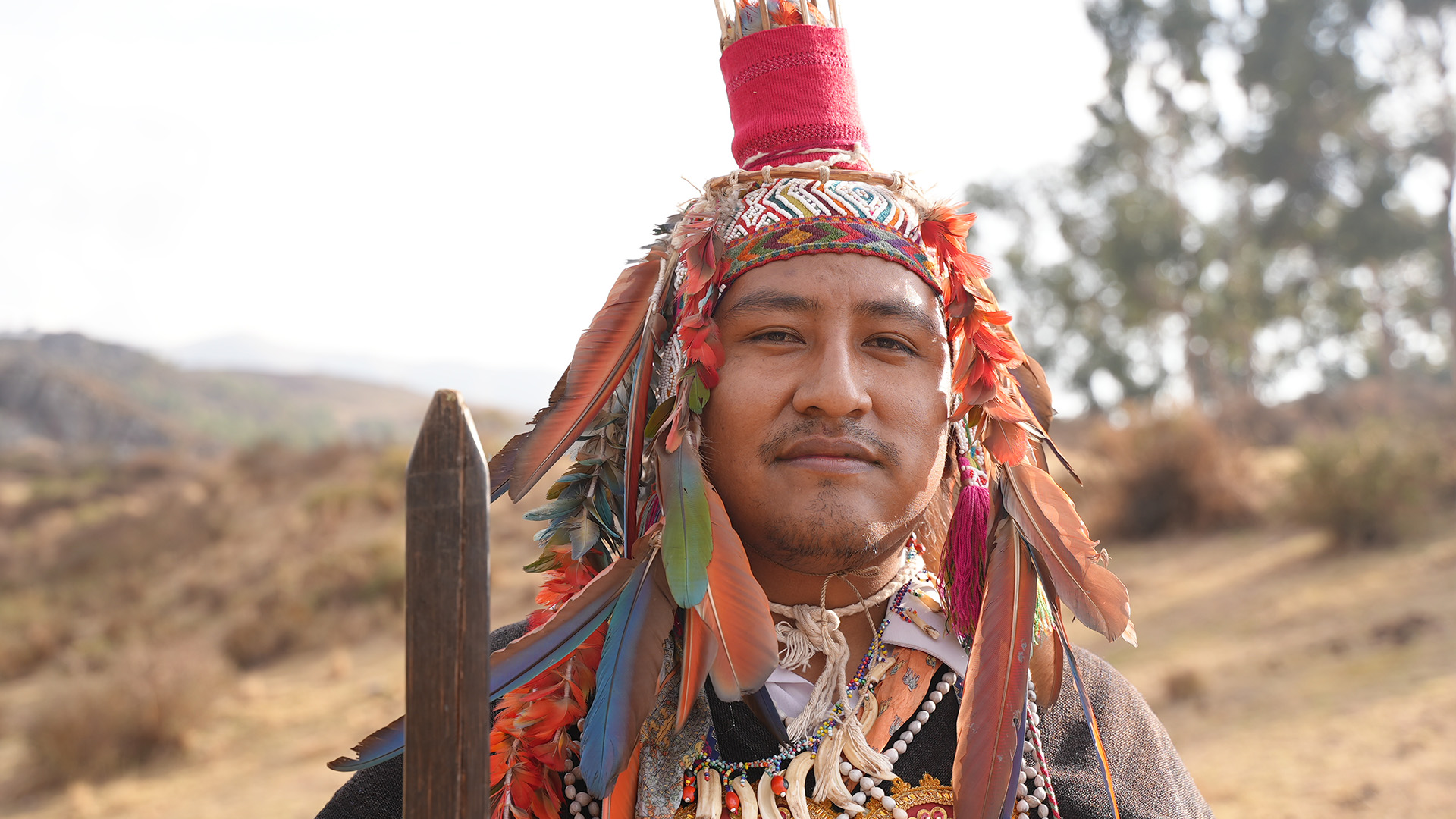
SIWAR

JAVIER

DANCE OF THE WARRIORS
OF THE SUN
Wayri ch'unchu (Quechua)

Among the high peaks and deep valleys of Peru’s Andes Mountains, Indigenous peoples like the Quechua and Aymara have lived on this land for millennia, developing complex societies with intricate cultural practices based on the cycles of the natural world.

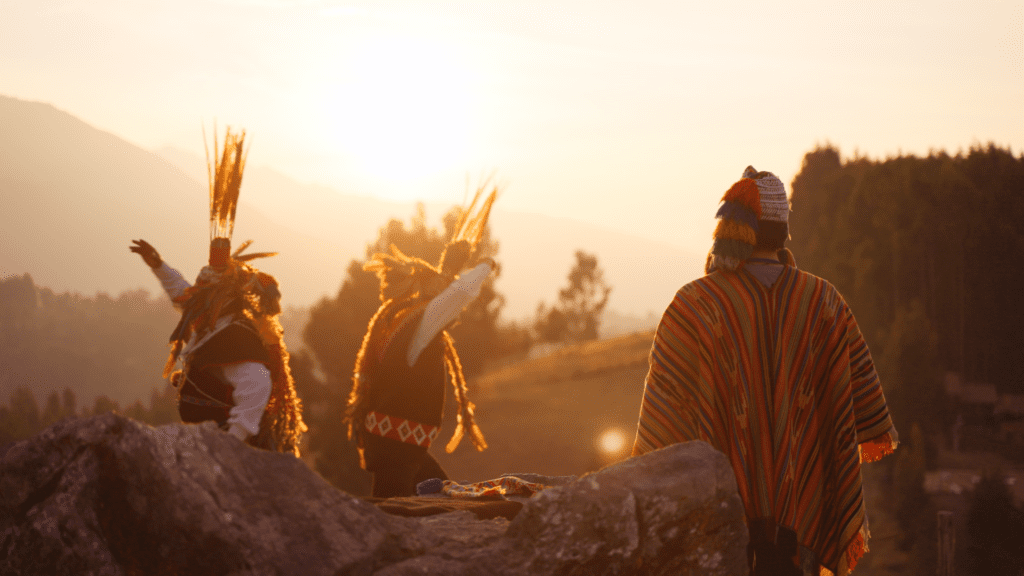
As the Inca Empire flourished around what is now Cusco over 500 years ago, sophisticated cultural and religious rituals, music, and dances took root. One such practice which has survived through time is the wayri ch’unchu folk dance, performed at the Quyllur Rit’i festival.

This festival is held on the full moon during the southern hemisphere winter solstice in June, and celebrates the reappearance of the Pleiades constellation, known in Quechua as qullqa. Every year, thousands of Indigenous people gather in the Sinakara Valley for the festival to partake in dances and processions.

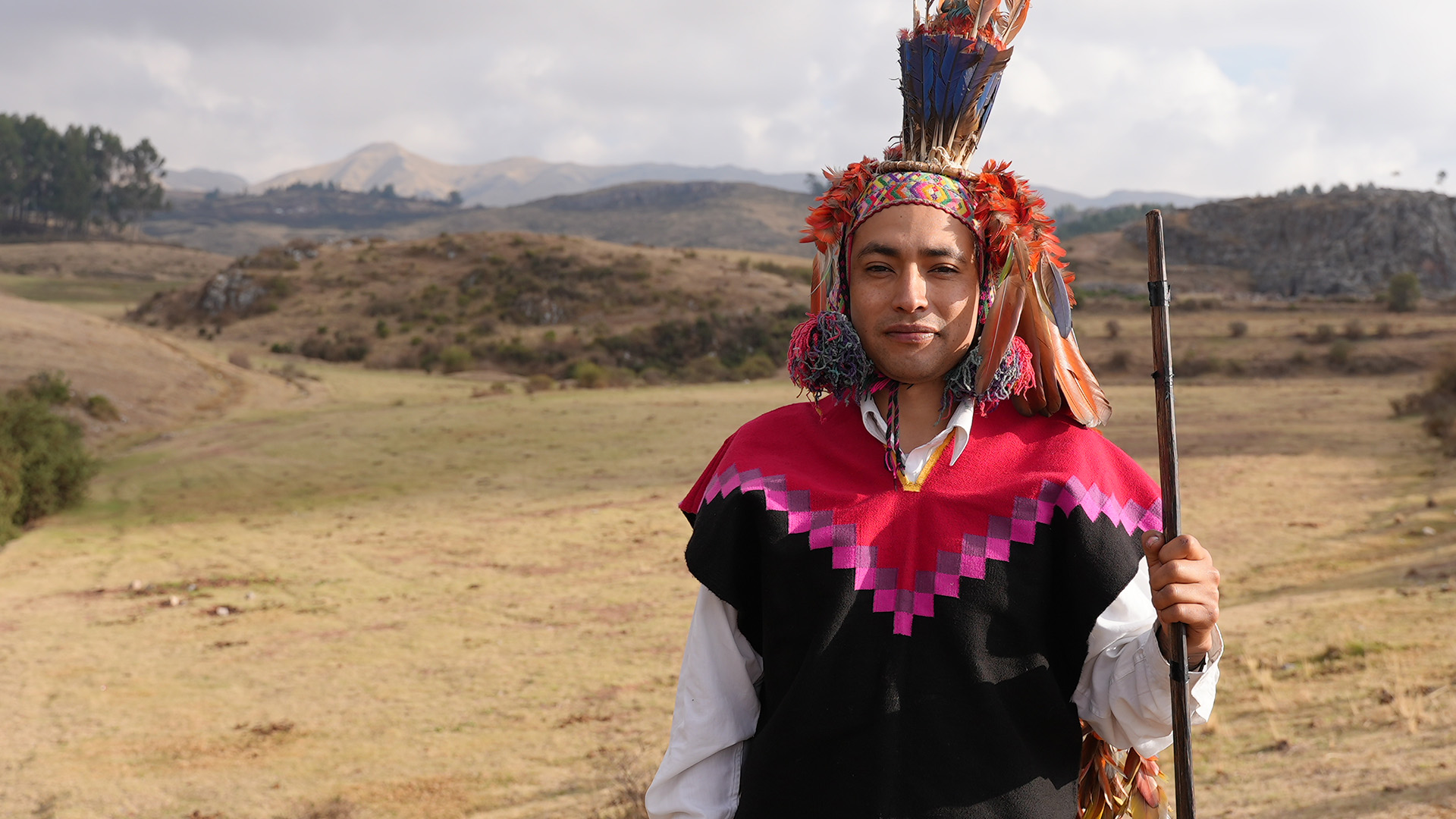
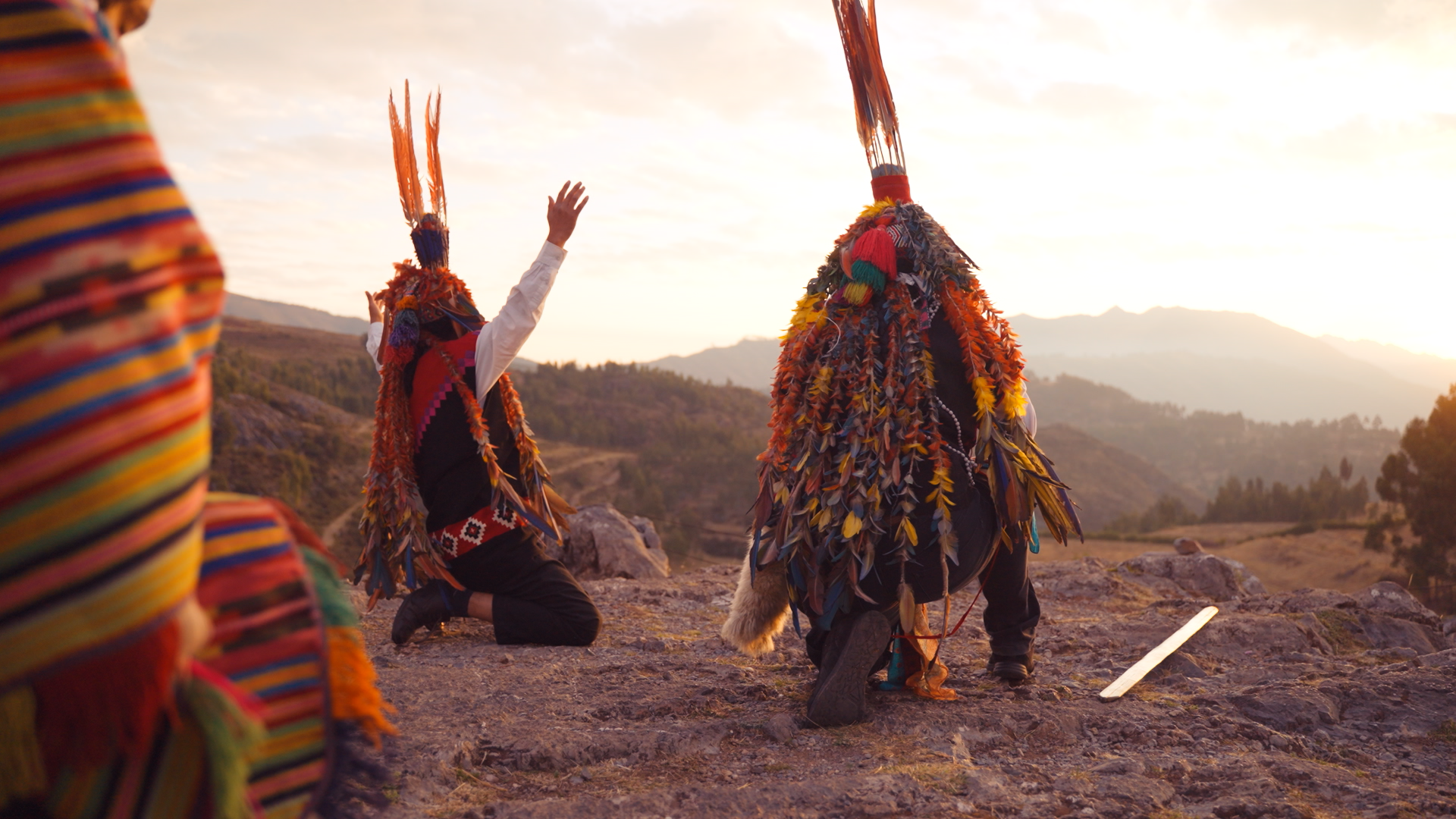
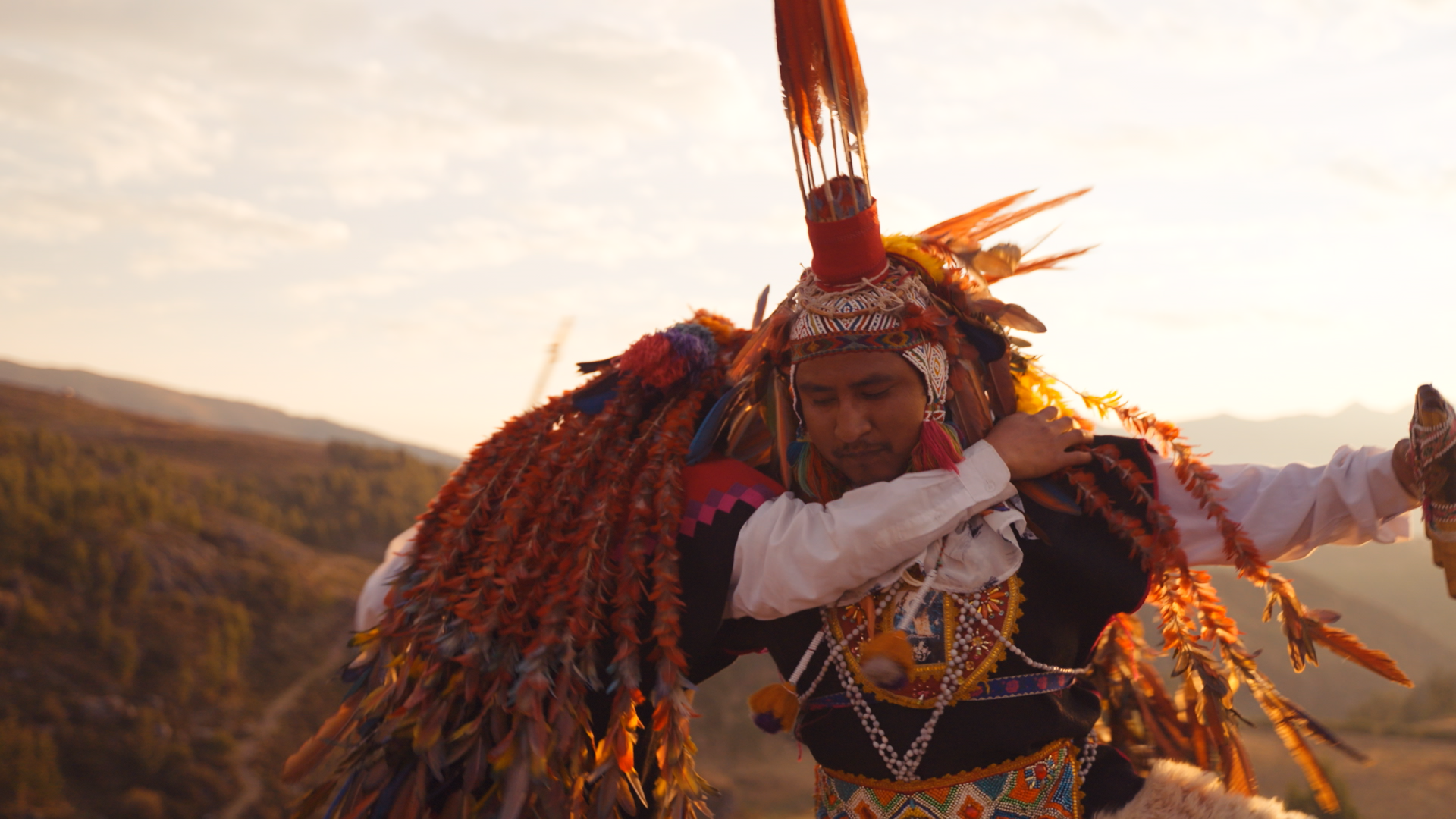
The word wayri means leader or chief, while ch’unchu refers to the now derogatory word for people from the Amazon. Dancers wear colourful headdresses and long capes made of bright red macaw feathers, believed to represent the people of the lowland jungles around the Andes, known as the yunka. 

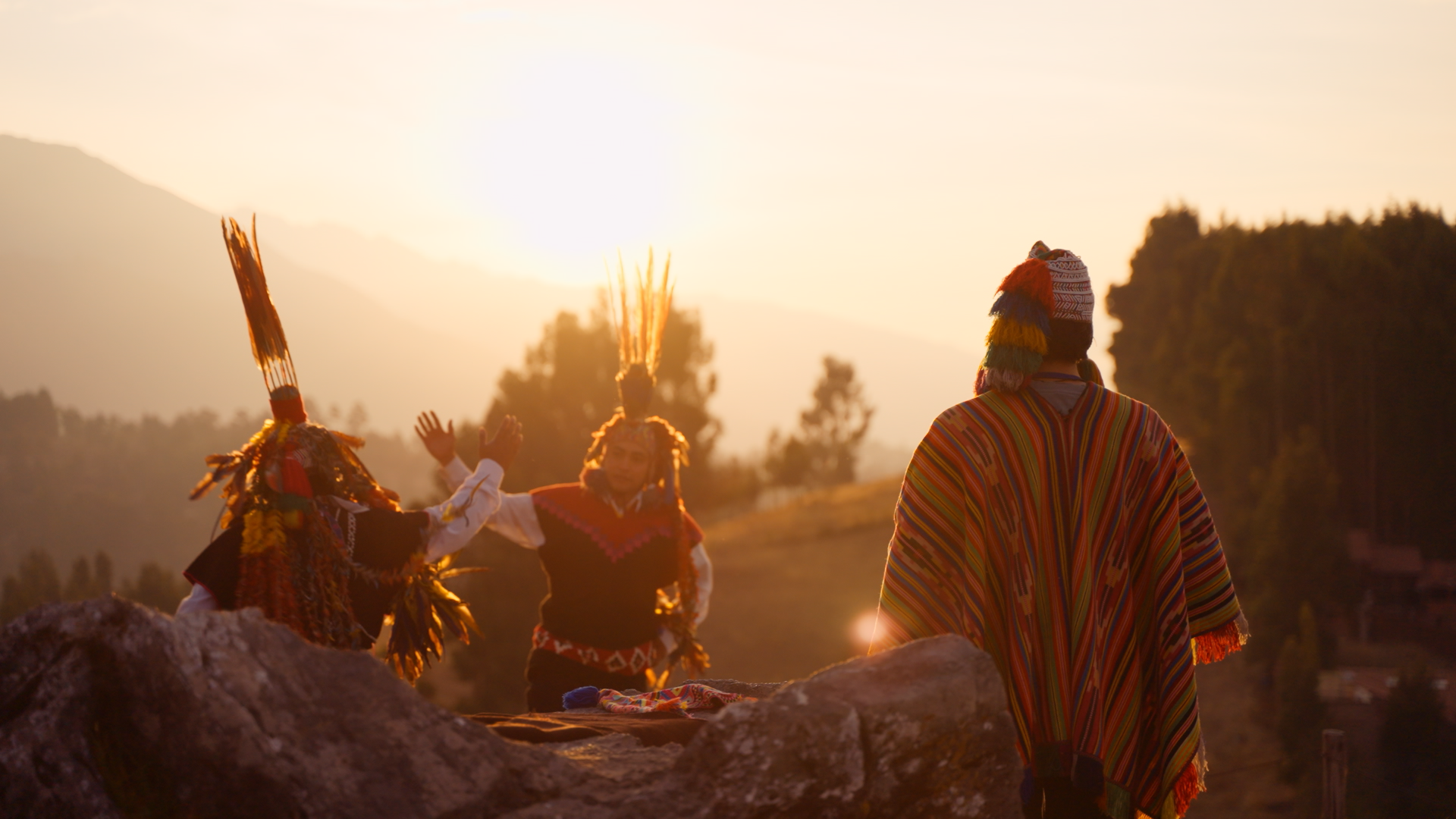
“Accompanied by drummers and flutists, pairs of male dancers cross step in circles, locking arms and passing long wooden staffs to each other. Historically, roughly three quarters of pilgrims at the Quyllur Rit'i festival were wayri ch'unchu dancers.”

Accompanied by drummers and flutists, pairs of male dancers cross step in circles, locking arms and passing long wooden staffs to each other. Historically, roughly three quarters of pilgrims at the Quyllur Rit’i festival were wayri ch’unchu dancers.

For the Inca, the return of the Pleiades constellation also marked the coming harvest and therefore a time of abundance for the people and a return to order. These traditions have persisted to this day, with many of the farmers and herders in attendance dancing to ensure a bountiful harvest.

Over time, the festival has become syncretic as many of the Indigenous population converted to Catholicism. This has transformed the festival into a Christian celebration as well, falling one week before the Feast of Corpus Christi, featuring Christian iconography and rituals.

Over the past decades, wayri ch’unchu dancers have become increasingly marginal at these celebrations, as policies of assimilation of Indigenous Peruvians have led to many becoming detached from their traditions and thrust into settler society.

Nonetheless, many Indigenous leaders are now fighting for their sovereignty, ensuring that they can maintain and perpetuate their cultural practices, educating future generations and guaranteeing they continue to bring meaning to their people for many years to come.

CONTACT US

Have a story about your own little big community?
Reach out and let us know! We would love to help you tell it.